dropshipping-vs-print-on-demand
Dropshipping vs Print on Demand: Which Business Model Makes More Sense in 2026?
By
Kinnari Ashar
One creator is selling oversized anime hoodies from a bedroom studio. Another is pushing viral kitchen gadgets through TikTok videos filmed on an iPhone. Both call it e-commerce. Both show huge revenue screenshots. Very few talk about refund rates, supplier issues, shipping complaints, or rising ad costs.
That is why dropshipping vs print on demand became such a major conversation in 2026. TikTok Shop, AI-generated storefronts, and short-form content made both business models look easier than ever to start.
Still, which one actually makes more sense once real profit margins, branding, fulfillment, and scaling enter the picture? Does print-on-demand build a stronger brand, or does dropshipping still move faster when trends explode?
The answer is not as obvious as social media makes it seem.
What Is Print on Demand?
Print on demand is an e-commerce fulfillment model where products are created only after a customer places an order. You upload custom designs to blank items like T-shirts, hoodies, mugs, posters, tote bags, journals, phone cases, or other merchandise, while the supplier handles printing, packaging, shipping, and inventory management behind the scenes.
The model exploded in popularity because it gave creators a simple way to monetize audiences without buying stock upfront. Meme pages, influencers, artists, niche communities, and small apparel brands started using POD to turn ideas into sellable products with very little startup risk.
A big reason POD works so well is identity-driven buying behavior. Customers are not just purchasing a hoodie or mug. They are buying designs that match their humor, interests, beliefs, fandoms, or online communities.
How Print on Demand Works?
1. Choose a POD Supplier
Your supplier becomes the company responsible for producing and shipping products after each sale. Sellers usually connect POD providers with platforms like Shopify or Etsy. Print quality, shipping speed, product variety, branding options, and international fulfillment all influence which supplier makes sense for your store.
2. Create or Upload Designs
Designs are what separate one POD store from thousands of similar listings online. Popular categories include humor, gaming, pets, fitness, anime-inspired artwork, profession-themed products, and local identity designs. Many sellers now use AI image generators to speed up design creation and testing.
3. Connect Your Storefront
Most POD platforms integrate directly with Shopify, WooCommerce, Etsy, TikTok Shop, and Amazon Merch. Orders sync automatically once a customer completes a purchase.
4. Customer Places an Order
When someone buys a product, the order is instantly sent to the POD supplier for production.
5. Printing and Fulfillment
The supplier prints the design, packages the product, and ships it directly to the customer. Since products are manufactured after purchase, delivery usually takes longer than traditional warehouse-based ecommerce stores.
Types of POD Products That Sell Well
Apparel Products
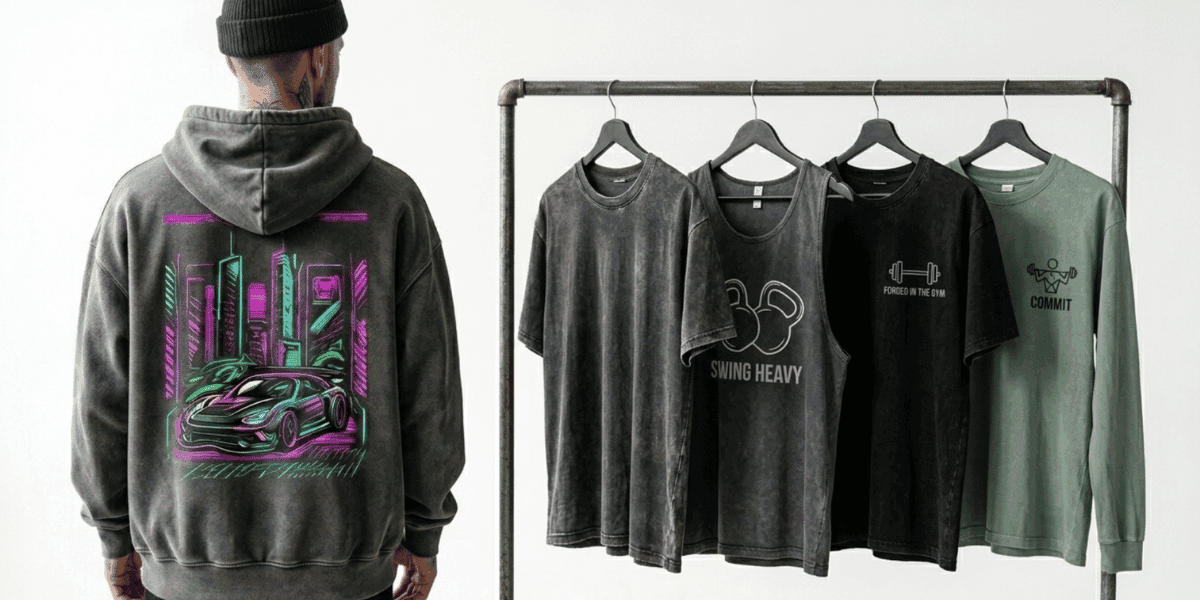
Apparel remains one of the strongest categories in print on demand because clothing naturally connects with identity, online culture, and community-driven buying behavior. Products tied to specific interests or aesthetics usually perform better than generic designs because customers see them as self-expression, not just clothing.
Some apparel categories consistently attracting demand include:
Oversized streetwear such as heavyweight hoodies, washed graphic tees, and oversized back print shirts.
Gym apparel, including pump covers, anime fitness shirts, and motivational workout designs.
Niche hobby clothing built around gaming, pets, fishing, anime fandoms, nursing, car culture, or local pride themes.
Seasonal graphic tees tied to holidays, sports events, internet memes, festivals, and viral online moments.
Home and Lifestyle Products

Home decor became one of the fastest-growing print-on-demand categories as buyers started spending more on personalized living spaces and aesthetic room setups. Industry reports show home decor is now growing faster than several traditional POD apparel segments, especially with younger audiences buying products inspired by online culture and creator aesthetics.
Popular products in this category include:
Posters featuring anime art, gaming themes, music-inspired visuals, or minimalist room aesthetics.
Canvas art designed for home offices, streaming setups, and modern apartment decor.
Drinkware such as custom mugs, aesthetic coffee cups, and personalized tumblers.
Pillows and cushions with meme graphics, pet illustrations, or retro-inspired designs.
Stickers tied to internet culture, fandoms, productivity themes, and trending aesthetics.
Personalized Products

Personalized products sell well because buyers connect more strongly with products tied to identity, relationships, hobbies, and emotional value.
Popular personalized POD products include:
Name-based gifts such as custom mugs, hoodies, journals, and family-themed apparel.
Zodiac products featuring astrology-inspired graphics and sign-specific aesthetics.
Family illustrations designed for wall art, pillows, and keepsakes.
Pet portraits that turn customer photos into custom artwork or apparel.
Couple merchandise, including matching hoodies, anniversary gifts, and relationship-themed products.
Many sellers track TikTok and Facebook ads to discover viral aesthetics and emerging design trends before markets become crowded. With WinningHunter, you can monitor high-performing ecommerce creatives, trending niches, engagement signals, and fast-growing product angles across major ad platforms.
Pros and Cons of Print on Demand
Pros of POD
Print on demand gives sellers a low-risk way to launch branded products without managing inventory upfront. The model works especially well for creators, niche communities, and identity-driven brands, though profitability still depends heavily on design quality and positioning.
Lower inventory risk because you only pay for products after customers place orders. This makes it easier to test niche audiences and seasonal trends without holding unsold stock.
Better branding potential since original artwork creates stronger differentiation than generic e-commerce products. POD stores also connect more naturally with community-focused audiences.
Easier legal control compared to reselling generic products because original designs reduce the risk of competing against dozens of stores using identical listings and product images.
Higher customer perceived value as personalized or custom products often feel more exclusive, allowing sellers to charge premium prices in the right niche.
Cons of POD
A print-on-demand store can look simple from the outside, especially when social media clips reduce the business model to uploading a design and waiting for sales. The difficult part usually starts later when fulfillment costs, creative fatigue, and saturated niches begin affecting growth.
Lower profit margins because base product costs, printing fees, and fulfillment charges take a large share of each sale, especially on cheaper products.
Slower fulfillment times since products are manufactured after customers place orders. International shipping delays can also increase refund requests and support issues.
Heavy dependence on design quality because weak graphics or generic concepts usually struggle to convert. Consistent creative testing becomes necessary to stay competitive.
Harder scaling without strong branding since saturated niches are filled with low effort stores using recycled designs that fail to build customer loyalty.
What Is Dropshipping?
Dropshipping is an e-commerce fulfillment model where you sell products online without storing inventory yourself. When a customer places an order, a third-party supplier handles packaging and shipping directly to the buyer.
The process is straightforward. You list products on your store, market them through ads or social content, collect customer orders, and forward those orders to your supplier for fulfillment.
The model changed significantly over the past few years. Early dropshipping mainly relied on cheap AliExpress reselling, but modern stores now work with private suppliers, local warehouses, branded packaging, TikTok Shop fulfillment systems, and UGC focused marketing strategies.
In 2026, successful dropshipping stores look far more like real ecommerce brands than the generic one-product stores that dominated social media years ago.
How Dropshipping Works?
1. Product Research
Dropshipping usually starts with finding products that already show strong demand signals online. Sellers often validate products through viral TikTok engagement, long-running Facebook ads, competitor scaling activity, problem-solving appeal, or impulse buying behavior. Many stores use WinningHunter to track trending products, winning creatives, and high-performing e-commerce ads across major platforms.
2. Supplier Sourcing
After selecting a product, sellers source it through suppliers such as AliExpress, CJ Dropshipping, Zendrop, private agents, or local fulfillment warehouses. Faster shipping speeds usually improve conversion rates and customer satisfaction.
3. Store Setup
Most branded dropshipping stores use Shopify to build product pages, manage orders, and handle payments. Some sellers focus on one product store, while others build niche-focused stores around related products.
4. Advertising and Creative Testing
Short-form video content now dominates customer acquisition. Sellers test TikTok Spark Ads, Meta video ads, UGC style creatives, before and after demonstrations, and problem solution hooks to identify winning products faster.
5. Order Fulfillment
When customers place orders, suppliers package and ship the products directly to them. Store owners mainly manage customer support, refunds, and overall brand experience.
Types of Dropshipping Products That Perform Well
Problem-Solving Products
Problem-solving products dominate dropshipping because they create instant buying interest. Customers do not need long explanations when a product clearly saves time, removes frustration, or improves convenience. That is also why these products perform strongly in short-form video ads and impulse purchases.
Popular examples include:
Cleaning tools such as the Rubbermaid Reveal Power Scrubber, crevice cleaning brushes, and cleaning gel putty for keyboards or car vents.
Kitchen gadgets like the Fullstar Pro Chopper, olive oil sprayers, mini bag sealers, and rotating meat shredders that simplify cooking tasks.
Car accessories, including magnetic phone mounts, portable car vacuums, seat gap organizers, and cleaning gels for hard-to-reach areas.
Pet products such as portable paw cleaners, slow feeding bowls, grooming gloves, pet water fountains, and anti-shedding combs that solve everyday pet owner frustrations.
Passion-Based Niches
Some of the strongest dropshipping stores are built around audiences that already spend money on their interests, routines, and lifestyles. These niches usually produce stronger engagement because the products feel connected to identity, hobbies, or daily habits instead of random impulse purchases.
Popular passion-based niches include:
Fitness products such as resistance bands, massage guns, posture correctors, lifting straps, and recovery tools tied to gym culture and wellness trends.
Beauty products, including LED face masks, skincare fridges, gua sha tools, makeup organizers, and hair styling devices promoted heavily through TikTok creators.
Camping gear like portable fire pits, compact cooking kits, waterproof backpacks, solar lanterns, and outdoor survival gadgets.
Parenting products such as baby carriers, bottle warmers, diaper backpacks, sensory toys, and stroller accessories designed around convenience.
Home organization products, including stackable storage boxes, drawer organizers, cable management tools, and aesthetic kitchen storage solutions that perform especially well in before-and-after style video ads.
Viral Social Media Products
A single TikTok video can turn an unknown product into a bestseller within days. That speed changed modern dropshipping completely. Products that grab attention in the first few seconds often generate stronger click-through rates and impulse purchases than products relying on detailed explanations.
Popular viral product categories include:
Impulse buy gadgets such as portable blenders, sunset lamps, mini bag sealers, LED key clicker keychains, and cleaning gel putty featured in satisfying short videos.
Trend-driven accessories, including aesthetic phone holders, travel pump bottles, smart lighting products, and viral desk setup accessories, pushed heavily through creator content.
Seasonal products tied to summer travel, winter comfort, holiday gifting, back-to-school shopping, and fitness-focused New Year trends that create temporary demand spikes throughout the year.
Pros and Cons of Dropshipping
Pros of Dropshipping
Dropshipping attracts sellers who want speed, flexibility, and access to fast-moving product trends. The model makes it possible to launch products quickly and test demand without manufacturing anything yourself.
Massive product variety allows sellers to explore multiple niches without developing custom products or managing inventory upfront.
Faster product testing since new products can be added to a store immediately without waiting for production or design approval.
Strong scaling potential because winning products can grow aggressively through TikTok ads, Meta campaigns, influencer promotions, and viral short-form content.
Lower creative barrier compared to print on demand since sellers can often source existing product photos, supplier videos, and user-generated content for advertising campaigns.
Disadvantages of Dropshipping
The speed creates opportunity, but it also makes dropshipping one of the most competitive ecommerce models once a winning product becomes visible to everyone.
Product saturation happens quickly because viral items often attract hundreds of copycat sellers using identical products, creatives, and landing pages.
Heavy supplier dependency means inventory problems, poor quality control, and shipping delays can directly damage customer satisfaction and store reputation.
Rising TikTok and Meta CPMs continue to squeeze ROAS and profit margins for stores relying heavily on paid traffic.
Refunds and chargebacks can quietly reduce net earnings, especially for impulse purchase products with unrealistic customer expectations.
Weak branding limits long-term growth because generic stores selling commodity products usually struggle to build loyalty or repeat purchases.
Dropshipping vs Print on Demand: Key Differences
Both business models avoid holding inventory upfront, but the way they grow, market products, and build customer loyalty looks very different once you move past the surface-level similarities.
Factor | Print on Demand | Dropshipping |
Product Creation | Built around custom designs and personalized products | Focused on reselling existing products from suppliers |
Competitive Advantage | Wins through branding, identity, aesthetics, and niche communities | Wins through product discovery, marketing execution, and trend timing |
Startup Costs | Usually involves design tools, samples, branding assets, and storefront setup | Often requires larger product testing budgets, ad spend, and creative production |
Profit Margins | Higher retail pricing possible for strong branded products | Strong margins possible during viral trend windows |
Major Cost Factors | Printing fees, apparel costs, shipping, and platform transaction fees | Paid advertising costs, refunds, chargebacks, and supplier pricing |
Shipping Experience | Longer delivery timelines because products are manufactured after purchase | Shipping speed depends heavily on supplier quality and fulfillment location |
Branding Potential | Easier to build recognizable brands and repeat customer communities | Generic stores struggle with retention unless branding becomes stronger |
Saturation Risk | Saturation usually happens at the niche or design style level | Viral products often become saturated very quickly |
Marketing Style | Relies more on storytelling, creator branding, lifestyle content, and influencer partnerships | Relies more on direct response ads, problem solution hooks, and aggressive testing |
Creative Requirements | Strong original designs play a major role in conversions | Product presentation and ad creatives matter more than product uniqueness |
Scalability | Stronger long-term brand potential but slower early growth | Faster scaling potential but heavily dependent on ad performance stability |
Research and Trend Analysis | Sellers monitor design trends, aesthetics, and niche communities | Sellers track viral products, winning ads, and competitor scaling activity |
The biggest difference usually comes down to business style. Print on demand rewards branding, community building, and long-term positioning. Dropshipping rewards speed, testing velocity, and aggressive marketing execution. In 2026, both models can still work well, but the winning stores rarely look generic anymore.
Which Business Model Is Better for You?
The better business model usually depends less on startup costs and more on how you prefer to build a business. Some sellers enjoy branding and community building, while others prefer fast testing, analytics, and trend-driven scaling.
Choose Print on Demand If | Choose Dropshipping If |
You enjoy branding, design, and identity-driven businesses | You enjoy product research, analytics, and trend spotting |
You want to build a niche audience or a loyal community | You want to test products rapidly across multiple niches |
You prefer selling original products instead of chasing trends | You are comfortable adapting quickly to viral product cycles |
You have design skills or access to designers | You are comfortable running paid ads and testing creatives aggressively |
You like creator-led or lifestyle-focused branding | You prefer data-driven experimentation and performance marketing |
You are comfortable with slower early growth for stronger brand ownership | You want broader product flexibility and faster scaling opportunities |
Common Misconceptions About POD and Dropshipping
“Dropshipping Is Dead”
The old AliExpress model lost momentum because buyers stopped tolerating long shipping times, weak branding, and low-quality storefronts. Successful dropshipping stores in 2026 focus far more on fast fulfillment, polished product pages, creator-style content, and customer experience.
“POD Is Passive Income”
Print on demand still demands consistent effort behind the scenes. Sellers constantly test new graphics, refresh collections, create social content, manage support requests, and grow niche audiences to keep stores relevant.
“You Need Huge Money to Start”
Starting a store does not require massive capital. Scaling aggressively is what usually increases costs. Many beginners launch with smaller budgets, then reinvest profits into advertising, branding, and creative production once products begin gaining traction.
“Anyone Can Win With Viral Products”
Viral attention alone does not build profitable stores. The stores that last usually combine strong creatives, smart timing, compelling offers, reliable fulfillment, and landing pages that convert visitors into customers.
The Smartest Stores Research First
Both print-on-demand and dropshipping still offer real opportunities in 2026, but the stores growing consistently are making decisions based on research, creative quality, and customer experience instead of chasing random trends blindly.
Print on demand rewards originality, niche branding, and audience connection. Dropshipping rewards fast testing, strong creatives, and rapid product discovery. Neither model guarantees success on its own. Execution still decides who scales and who disappears after a few sales.
Before spending heavily on ads, smart sellers study what is already working in the market. With WinningHunter, you can track TikTok and Facebook ads, monitor real-time ad spend activity, analyze competitor stores, discover trending products, and study high-performing creative angles before launching campaigns.
That data becomes valuable whether you are starting your first store, scaling aggressively, or managing ecommerce campaigns for clients. The faster you spot winning products and ad trends, the less money you waste testing blindly.
FAQs
Is POD easier than dropshipping for beginners?
Print on demand usually feels easier for beginners who enjoy branding, design, or content creation because there is less pressure to constantly chase trending products. Dropshipping often has a steeper learning curve around product research, paid advertising, supplier management, and creative testing. POD still requires effort, though, especially when it comes to design quality, niche positioning, and audience building.
Can you combine dropshipping and print-on-demand in one store?
Yes, many e-commerce stores use a hybrid model. A fitness brand, for example, might sell POD gym apparel alongside dropshipped accessories like resistance bands or massage tools. The key is keeping the products connected to the same audience so the store still feels consistent and branded.
Do you need paid ads for POD and dropshipping?
No, but paid ads usually accelerate growth much faster. Many sellers still generate sales through TikTok content, Instagram Reels, influencer collaborations, Pinterest traffic, SEO, email marketing, and community-based audiences. Paid advertising becomes more important once stores start scaling products aggressively.
Is TikTok still good for dropshipping and POD in 2026?
Yes. TikTok remains one of the biggest product discovery platforms for e-commerce. TikTok Shop, creator-style videos, and short-form product demonstrations continue driving impulse purchases across both POD and dropshipping. Products with strong visual hooks and relatable content still perform especially well.
What matters more: the product or the marketing?
Both matter equally because strong marketing cannot permanently save a weak product, and a great product can still fail with poor creative execution. Product market fit, landing page quality, offer structure, and ad creatives all work together. That is also why experienced sellers rely heavily on ad testing data and competitor research before scaling campaigns.


We already know what works before you even have the chance to blink!
© 2024 WinningHunter.com