how-do-i-start-clothing-dropshipping-business
How Do I Start a Clothing Dropshipping Business?
By
Kinnari Ashar

Nobody plans to buy clothes at 2 AM after watching random TikTok videos for thirty minutes. Yet that is exactly how thousands of clothing stores make sales every day. One creator posts a fit check, someone notices the jacket, comments start flooding in, and suddenly, an unknown store is struggling to keep up with orders.
Fashion buying has become impulsive, emotional, and heavily driven by social media attention. That creates huge opportunities for new sellers entering clothing dropshipping. You do not need a warehouse packed with inventory to launch. You need products people instantly want, branding that feels believable, and content that stops scrolling thumbs.
Still, apparel can humble beginners fast. Cheap-looking stores, weak supplier choices, and lazy product research usually fail before the first repeat customer arrives.
This guide breaks down how to build a clothing dropshipping store that people actually trust enough to buy from.
What You Need Before Starting a Clothing Dropshipping Business?
Starting a clothing dropshipping business is technically simple today. You can launch an e-commerce store without buying inventory upfront. Depending on your country, you may still need to complete basic business registration, set up taxes, or verify payments before accepting orders.
The difficult part is scaling profitably. Fashion competition in 2026 is far more aggressive because customer acquisition costs keep rising, social feeds are flooded with repetitive content, and trends disappear quickly.
Most stores fail during product testing, not store setup. A product performing well on TikTok today can lose attention fast once competitors flood Meta ads with similar creatives. Beginners also underestimate how expensive content production and ad testing become for a growing clothing brand.
The stores that survive usually rely on stronger fundamentals. Consistent branding, reliable suppliers, product quality, creative testing, and retention systems matter far more than chasing one viral product after another.
How to Start a Clothing Dropshipping Business?
1. Choose a Clothing Niche Before Building the Store
Most general fashion stores fail because they try to sell everything to everyone. A store packed with unrelated products usually feels forgettable within seconds.
Strong apparel brands tend to speak to one specific audience or aesthetic.
Popular clothing niches include:
Streetwear
Gymwear
Anime apparel
Minimalist fashion
Modest fashion
Y2K fashion
Plus-size clothing
Sustainable fashion
Fashion buyers are often choosing identity, taste, and lifestyle alignment as much as the product itself.
Before selecting products, study how audiences behave on TikTok, Instagram, Pinterest, and Reddit. Look closely at comments, saved posts, outfit styling trends, and repeated buyer reactions. Those patterns reveal what people genuinely connect with emotionally.
You should also analyze competitor ads carefully. Watch which creatives keep scaling, what hooks appear repeatedly, and which products generate unusually strong engagement.
With WinningHunter, you can monitor fast-growing apparel ads, discover emerging fashion trends, and identify niches attracting sustained buyer attention before the market becomes overcrowded.
2 . Research Trending Clothing Products
Fashion product research is not about guessing what looks cool. It is about spotting attention before everyone else copies it. Clothing trends move ridiculously fast because TikTok creators, influencers, and viral outfit videos compress trend cycles into weeks.
Strong clothing products usually appear repeatedly across:
TikTok styling videos
Influencer outfit posts
High engagement ad creatives
Seasonal fashion spikes
Competitor ads running for weeks
WinningHunter helps you track viral TikTok creatives, monitor ad spend patterns, and identify apparel products scaling aggressively across different platforms before the market becomes overcrowded.
Fashion buyers respond emotionally. Products connected to aesthetics, identity, or community usually outperform purely functional items. A hoodie tied to a trending aesthetic often sells faster than a basic, generic sweatshirt.
Before adding products to your store, research:
Average selling price
Shipping costs
Fabric quality
Return risk
Sizing complexity
Supplier consistency
Avoid products using the same recycled supplier photos seen across hundreds of stores. Customers recognize copied stores faster than beginners expect.
3. Find Reliable Clothing Suppliers
A clothing supplier affects far more than delivery. Product quality, packaging, sizing consistency, and shipping speed all shape whether customers trust your store enough to buy again. Fashion buyers are usually less patient with delays and quality issues compared to other e-commerce categories.
Popular clothing dropshipping suppliers include Printful, Printify, CJdropshipping, Zendrop, Spocket, and EPROLO. Each one offers different strengths depending on your niche, fulfillment region, and branding needs.
When comparing suppliers, focus on factors such as shipping speed, warehouse location, branding support, return handling, and communication quality. US and EU-based fulfillment often performs better for apparel because customers expect faster delivery for fashion purchases.
Before launching your store, order samples from multiple suppliers. Check the stitching, fabric feel, print durability, packaging quality, label accuracy, and how the product looks after washing.
Clothing return rates are naturally higher because sizing expectations vary heavily between customers. A product that looks perfect in supplier photos can still create refund problems if the fit feels inconsistent in real orders.
4. Build Your Clothing Dropshipping Store
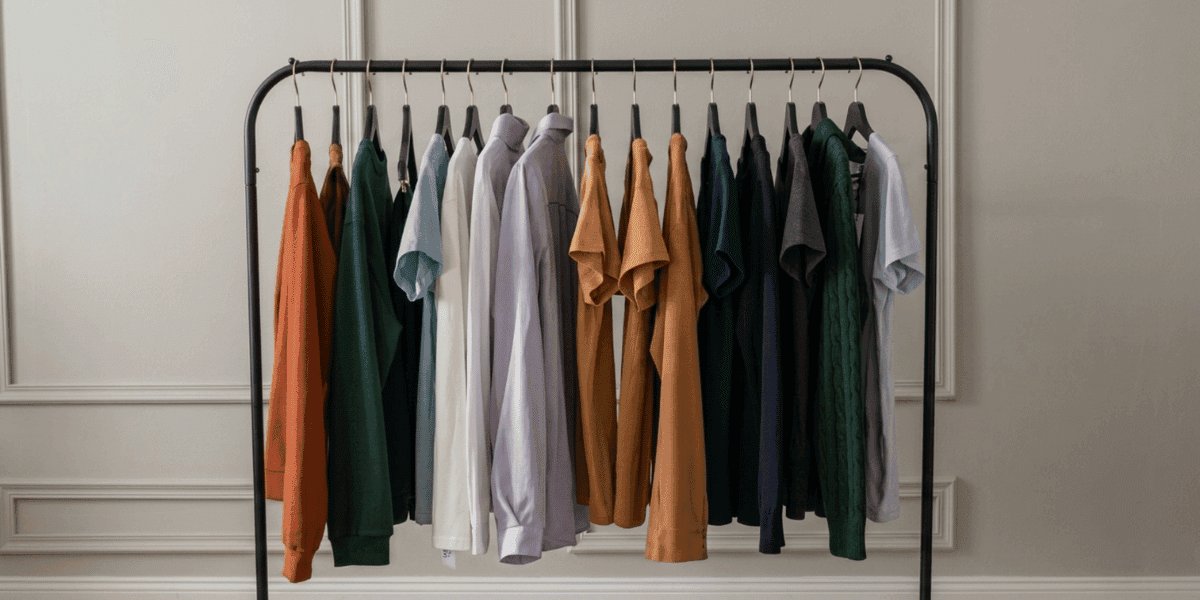
Most clothing stores lose customers before visitors even scroll halfway down the homepage. Fashion ecommerce depends heavily on presentation because buyers judge trust, style, and product quality within seconds.
Popular ecommerce platforms include Shopify, WooCommerce, Shoplazza, and BigCommerce. The platform matters, though your store design usually matters more in apparel.
Your homepage should immediately communicate:
Your niche and aesthetic
Clean product photography
A consistent visual style
Mobile-friendly browsing
Lifestyle-focused imagery
Trust signals and reviews
Product pages should sell the feeling behind the outfit, not just the material details. Good apparel descriptions explain fit, styling ideas, fabric feel, and the type of person the clothing appeals to.
Clothing stores also benefit from detailed size guides, fabric information, customer reviews, styling suggestions, and user-generated content. Size confusion remains one of the biggest causes of fashion returns online.
Set up your shipping, return, sizing, and refund policies early. Clear policies reduce hesitation during checkout and help your store appear more legitimate.
You can also improve conversions through collection pages, product bundles, upsells, abandoned cart emails, and visible social proof.
5. Create a Brand Instead of a Generic Store
Generic clothing stores usually blend together after a few seconds. Fashion customers respond far more strongly to stores that feel visually connected, recognizable, and emotionally consistent. In apparel ecommerce, people are often buying identity and aesthetic alignment as much as the clothing itself.
Your branding should feel cohesive across:
Logo and typography
Product photography
Packaging
Instagram content
Email design
Tone of voice
Visual consistency matters heavily in fashion. When your ads, product pages, and social content all feel disconnected, the store starts looking untrustworthy or low effort. Strong fashion brands usually maintain one recognizable visual direction across every customer touchpoint.
You should also build coordinated collections instead of uploading unrelated products randomly. Capsule collections, matching outfits, and limited releases often create stronger urgency while encouraging customers to purchase multiple items together.
Once certain products consistently perform well, you can explore private labeling opportunities through custom tags, branded packaging, or exclusive variations. That transition helps your store feel less like a temporary dropshipping operation and more like an actual clothing brand.
6. Market the Clothing Store
Fashion marketing changes fast because attention changes fast. A clothing product can sit unnoticed for weeks, then suddenly explode after one creator styles it differently on TikTok. That is why apparel marketing depends heavily on visuals, trends, and constant creative testing.
The strongest traffic sources for clothing stores usually include TikTok, Instagram Reels, Facebook Ads, Pinterest, and influencer collaborations. Content that feels casual and creator-driven often performs better than polished commercial shoots.
Popular apparel formats include:
Outfit transitions
Get Ready With Me videos
Styling tutorials
Try on hauls
Lifestyle-focused clips
One useful pattern to watch is repetition. When similar outfit hooks, editing styles, or product angles keep appearing across multiple winning ads, it usually signals growing demand. Platforms like WinningHunter help track those creative trends early by showing which apparel ads continue scaling across TikTok and Facebook.
You should also test influencer seeding with smaller creators. Micro influencers often produce stronger trust and better engagement than larger accounts with broad audiences.
Retargeting matters heavily in fashion ecommerce through cart recovery emails, SMS campaigns, dynamic product ads, and returning customer discounts.
7. Set Up Operations and Customer Support
Operational mistakes spread quickly in fashion e-commerce. One delayed shipment or sizing issue can easily turn into negative reviews, refund requests, and lost repeat customers. Clothing also experiences higher return rates because fit expectations vary heavily between buyers.
Your store should have clear systems for:
Order tracking
Inventory syncing
Refund handling
Supplier communication
Customer support
You should also configure payment and business infrastructure early. Many clothing stores use Shopify Payments, Stripe, and PayPal for smoother checkout processing and chargeback protection. Depending on your region, you may need an EIN, LLC registration, VAT setup, or sales tax compliance before scaling consistently.
Set realistic shipping expectations early. Customers usually become more patient when delivery timelines are communicated clearly before checkout.
Fast responses matter heavily with sizing questions because uncertainty around fit often increases return rates.
Strong customer support improves retention because fashion buyers frequently return to stores they trust. You should also monitor profit margins, customer acquisition cost, refund rates, repeat customer rate, and average order value consistently. If you collect customer data through email marketing or retargeting campaigns, make sure your policies align with GDPR requirements as well.
Tips to Avoid Failure in Clothing Dropshipping
Clothing dropshipping looks simple from the outside, though fashion ecommerce punishes weak execution faster than many beginners expect. Small mistakes around branding, product quality, or trend timing can quietly damage trust and profitability.
Avoid launching a generic fashion store: Stores without a clear identity usually struggle to convert visitors. Strong apparel brands tend to target a specific aesthetic, audience, or subculture instead of trying to sell every fashion trend at once.
Do not ignore product quality testing: Poor stitching, inaccurate sizing, weak prints, and cheap fabric often lead to refund problems and negative reviews. Always order samples before scaling paid ads so you can check the product quality yourself.
Focus on branding early: Fashion buyers respond heavily to presentation. Better photography, cleaner store design, and consistent branding can increase perceived value significantly, even before improving the products themselves.
Prepare for higher return rates: Apparel ecommerce naturally experiences more returns because sizing and fit expectations vary between customers. Detailed size charts, accurate fabric descriptions, and realistic product photos help reduce disputes.
Do not depend on one viral product: Fashion trends disappear quickly and ad fatigue happens fast in clothing niches. Stores built around collections and repeat purchases usually survive longer than stores relying on one trending item.
Track competitor trends consistently: Fashion trends can rise and disappear within weeks. Monitoring competitor ads and viral creatives helps you react faster to changing buyer interests. WinningHunter makes it easier to study apparel ads, track competitors, and discover emerging fashion trends before they become oversaturated.
Build a Store People Remember
Clothing dropshipping can still become highly profitable in 2026, though the stores growing consistently are treating fashion ecommerce like a real brand business, not a quick trend chasing experiment. Buyers respond to stores that feel visually consistent, trustworthy, and connected to a clear aesthetic.
Long-term growth usually comes from repeat customers, coordinated collections, and strong customer experience. Random product catalogs may generate temporary sales, though branded apparel stores create stronger retention and higher lifetime value.
Before launching campaigns, spend time validating products properly. Study competitor positioning, track recurring fashion trends, and analyze which creatives continue generating engagement across TikTok and Facebook.
WinningHunter gives you access to real-time apparel ad tracking, competitor research, reverse ad search, and viral creative discovery so you can identify scaling clothing products before spending aggressively on advertising. That visibility makes trend analysis far less dependent on guesswork and helps you react faster before niches become overcrowded.
FAQs
Is clothing dropshipping profitable in 2026?
Yes, clothing dropshipping can still be profitable in 2026, though competition is significantly higher than it was a few years ago. Fashion remains one of the largest ecommerce categories, and demand continues to grow through social commerce and mobile shopping. Profitability now depends less on uploading random products and more on branding, customer retention, and creative quality. Stores with strong visual identity, fast trend adaptation, and repeat buyers usually outperform generic fashion catalogs.
How much money do I need to start a clothing dropshipping business?
You can technically start with a few hundred dollars, though realistic beginners often spend more once testing begins. Common startup costs include a Shopify subscription, domain purchase, product samples, branding assets, and paid advertising. Many new sellers underestimate how expensive creative testing and customer acquisition can become in fashion ecommerce. A larger testing budget usually gives you more flexibility to experiment with products, creatives, and audiences before scaling.
Which clothing niche works best for beginners?
Beginner-friendly clothing niches usually have a strong audience identity and a clear visual appeal. Streetwear, gymwear, anime apparel, modest fashion, and minimalist fashion often perform well because customers already associate themselves with those aesthetics. Narrow positioning also makes branding and content creation easier. Trying to sell every clothing category at once usually creates weak store identity and confusing marketing, which hurts conversion rates quickly in fashion ecommerce.
Is print-on-demand better than traditional clothing dropshipping?
Print on demand gives you stronger customization and branding flexibility because you can create original designs without holding inventory. It also reduces inventory risk for beginners. Traditional clothing dropshipping usually offers larger product catalogs and sometimes faster trend testing opportunities. The tradeoff is that print-on-demand suppliers often charge higher production costs, which can reduce profit margins. Your choice depends on whether you prioritize original branding, speed, or broader product variety.


We already know what works before you even have the chance to blink!
© 2024 WinningHunter.com