how-does-jewelry-dropshipping-work
How Does Jewelry Dropshipping Work?
By
Kinnari Ashar
Jewelry keeps pulling people into e-commerce for one reason. Small products can create surprisingly large margins when they look expensive, feel personal, and catch attention quickly on social media. Even with rising competition, new stores continue entering the space every day.
What makes jewelry dropshipping interesting is that customers rarely buy it for utility alone. A necklace can feel sentimental. A ring can signal identity. A bracelet can turn into an impulse purchase after a ten-second TikTok video.
The model sounds simple until you see what separates stores that survive from stores that disappear after a few months.
Ahead, you’ll see how jewelry dropshipping actually works behind the scenes and what the successful stores quietly do differently.
What Is Jewelry Dropshipping?
Jewelry dropshipping is an e-commerce business model where you sell jewelry online without keeping inventory yourself.
Your supplier stores the products, and once a customer places an order, the supplier ships it directly to the buyer. You focus on building the store, marketing products, and handling customer experience.
Unlike wholesale jewelry businesses, you do not need to purchase stock in bulk before selling. That makes it easier to start with lower upfront costs, test new product styles quickly, and expand your catalog without filling a warehouse. Platforms like Shopify, WooCommerce, Etsy, and TikTok Shop have also made launching jewelry stores much simpler for new sellers.
How Does Jewelry Dropshipping Work Step-by-Step?
1. Suppliers Source and Store Inventory
The first stage of jewelry dropshipping starts with choosing suppliers that already hold inventory in their own warehouses or factory networks.
Most jewelry suppliers source products from manufacturing hubs across China, India, Thailand, Turkey, and Vietnam. Different regions became known for different styles and pricing categories.
Some major sourcing hubs include:
Yiwu for fast-moving fashion jewelry
Shenzhen for stainless steel and waterproof jewelry
Guangzhou for luxury-inspired accessories
Jaipur for gemstone and handcrafted jewelry
At this stage, many beginners assume all suppliers work directly with factories. That is not always true. A large number of suppliers operate as middlemen, sourcing from the same manufacturing networks. As a result, identical necklaces, rings, and bracelets often appear across hundreds of stores simultaneously.
This is exactly why supplier selection matters early. Before adding products to your store, you need to check sample quality, shipping consistency, packaging standards, and material accuracy.
Small quality problems become expensive very quickly in jewelry.
Watch closely for:
Tarnishing after limited use
Weak clasps or chains
Loose stones
Uneven plating
Incorrect sizing
Skin irritation complaints
A product may look premium in supplier photos but feel completely different once customers open the package. Jewelry buyers notice presentation instantly, which makes supplier vetting one of the most important parts of building a store people actually trust.
Experienced sellers often order multiple samples before listing products because supplier photos rarely reveal plating quality, clasp durability, or packaging consistency accurately.
2. Sellers Create an Online Jewelry Store
After choosing suppliers, sellers build an online store where customers can browse and purchase products. Most jewelry stores run on platforms like Shopify, WooCommerce, Etsy, or TikTok Shop because they simplify product management, payments, and order processing.
The storefront plays a major role in how customers judge the jewelry. Even affordable pieces can feel premium when the branding and presentation look polished.
Most stores focus on:
Clean Shopify themes
Well-organized collection pages
Detailed product descriptions
Smooth checkout integrations
Mobile-friendly layouts
Jewelry buyers pay close attention to visuals because they cannot physically inspect products before ordering. Strong stores rely on lifestyle photography, close-up product shots, and packaging images that make the jewelry feel gift-worthy and trustworthy.
Trust signals also affect conversion rates heavily.
Customers usually look for:
Material information
Shipping policies
Customer reviews with photos
Warranty badges
Packaging previews
Without those details, visitors often hesitate before purchasing, especially from newer jewelry brands.
3. Products Are Imported From Suppliers
After selecting products, sellers import them into their stores through platforms like AliExpress, CJdropshipping, Zendrop, Alibaba suppliers, or DSers connected vendors. Tools like DSers sync product data directly into Shopify, which speeds up catalog setup and order management.
Imported listings usually include:
Product images
Variants and sizing
Supplier SKUs
Pricing details
Shipping options
At this stage, new stores often make the mistake of keeping supplier photos exactly as they are. That creates a problem because customers now recognize generic dropshipping images almost instantly. Reverse image searches and repeated TikTok ads made identical supplier visuals far less trustworthy than they were a few years ago.
Serious jewelry brands usually replace those assets with:
Custom photography
Lifestyle shoots
Creator videos
That extra effort changes how customers perceive the product. Even when two stores sell similar jewelry, the brand with stronger visuals usually feels more premium, trustworthy, and gift-worthy to buyers.
4. Customers Discover Products Through Social Platforms
Jewelry stores rarely grow through search traffic alone. Most customers discover products while scrolling through TikTok, Instagram Reels, Pinterest, Facebook ads, or influencer content. The category performs especially well on visual platforms because jewelry sells through appearance, emotion, and styling inspiration much faster than utility-based products.
Short-form video became one of the strongest drivers for jewelry sales because small visual details grab attention quickly.
Popular content formats include:
Sparkle and close-up lighting shots
Jewelry layering demonstrations
Waterproof testing videos
Gift reaction clips
Packaging ASMR
Outfit styling content
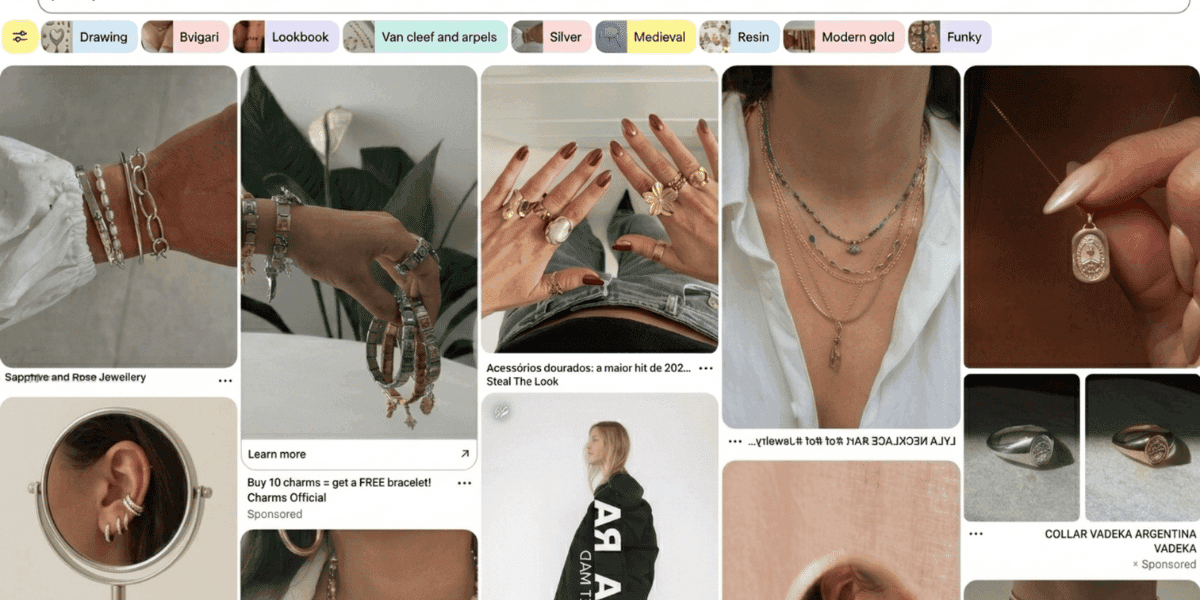
Pinterest also drives more jewelry traffic than many beginners expect. Users often search with buying intent already in mind, especially around wedding inspiration, bridal accessories, minimalist fashion, and gifting ideas. Visual discovery plays a huge role in how jewelry trends spread online.
Because trends move quickly, sellers constantly monitor what competitors are advertising. WinningHunter helps track viral jewelry creatives, analyze TikTok and Facebook ad performance, and spot products gaining traction before the market becomes saturated.
5. Orders Are Automatically Sent to Suppliers
Once your store starts receiving orders, the fulfillment side moves quietly in the background. Customers complete checkout on your storefront, but the actual shipping process begins with the supplier handling inventory and dispatch.
Most modern jewelry stores connect their suppliers through automation tools that pass order details directly into fulfillment systems. That means you are not manually sending customer information every time someone places an order.
The process usually looks like this:
A customer purchases jewelry from your store
Order details are forwarded to the supplier
The supplier packs the product
Tracking information is generated
The order ships directly to the customer
Platforms like DSers, CJdropshipping, AutoDS, and Zendrop help automate this workflow, especially once stores begin handling larger order volumes.
Shipping speed became far more important in jewelry once social commerce accelerated. Someone buying a necklace after watching a TikTok video usually expects fast delivery, especially when the purchase feels emotional or gift-related.
That pressure pushed many growing stores toward:
US-based warehouses
EU fulfillment centers
Private sourcing agents
Faster shipping lines
Reliable delivery does more than improve customer satisfaction. It also reduces refund requests, chargebacks, and complaints tied to delayed shipping. In jewelry, trust can disappear quickly once orders arrive late or packaging feels careless.
Types of Jewelry Commonly Sold Through Dropshipping
Jewelry dropshipping covers several product categories, though each behaves differently once you start selling. Some products rely heavily on fast-moving social trends, while others attract buyers looking for durability, gifting value, or premium presentation.
1. Fashion Jewelry
Fashion jewelry usually includes zinc alloy accessories, brass pieces, gold plated products, and rhinestone designs. Supplier costs often stay between $1 and $8, while retail pricing can reach $20 to $60, depending on branding and presentation.
The category moves quickly across TikTok because trends spread fast and new designs appear constantly. That same speed also creates heavy competition since many stores end up sourcing nearly identical products from overlapping suppliers. Quality consistency becomes another challenge, especially with tarnishing, weak plating, and clasp durability.
2. Stainless Steel Jewelry
Stainless steel jewelry gained major traction throughout 2025 and 2026 as customers started prioritizing waterproof and tarnish-resistant products. Buyers now pay far more attention to durability than they did a few years ago, especially after repeated complaints about fading fashion jewelry.
Popular products include Cuban chains, minimalist rings, layered necklaces, and custom name jewelry. Stores selling stainless steel pieces often deal with fewer refund requests because the products hold up better during daily wear.
3. Semi-Fine and Premium Jewelry
Semi-fine jewelry targets customers looking for longer-lasting products and more polished branding. This category commonly includes sterling silver, gold vermeil, moissanite, and lab-grown gemstone jewelry.
Selling premium jewelry usually requires stronger creator partnerships, cleaner packaging, better photography, and more consistent product quality. The upside is higher average order values and better long-term brand potential once customers begin trusting the store.
Most Profitable Jewelry Dropshipping Angles in 2026
Personalized Jewelry
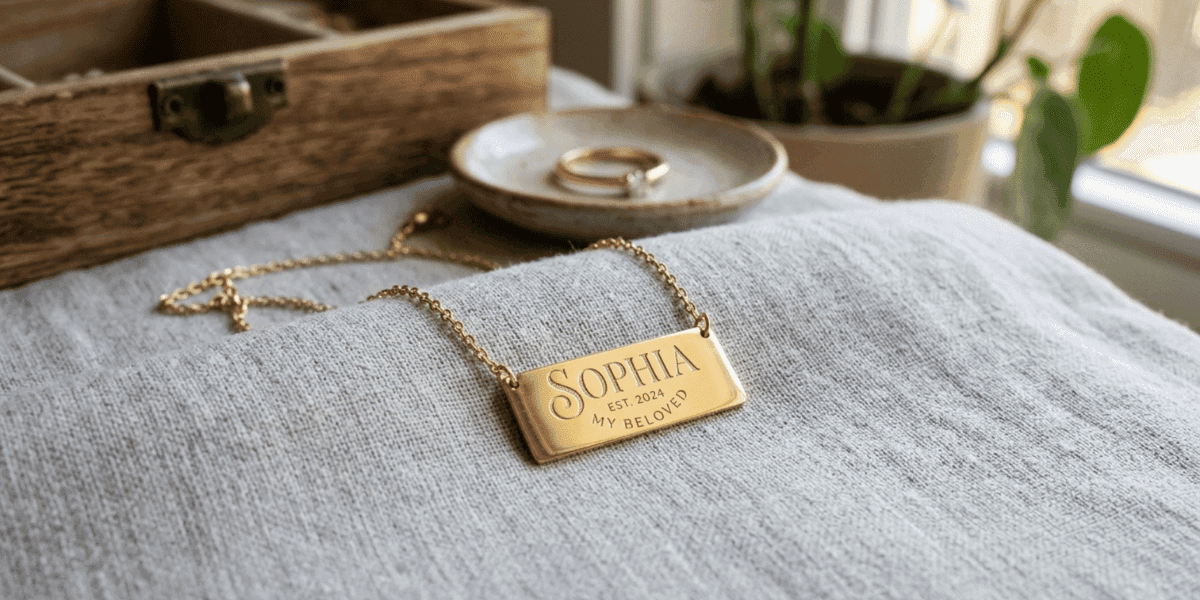
Custom pieces continue performing strongly because buyers attach emotional value to them.
Name necklaces, zodiac accessories, birthstone jewelry, and memorial pieces feel personal enough that customers spend less time comparing prices across stores. That emotional connection also makes gifting campaigns much easier to market during holidays and special occasions.
Waterproof Jewelry
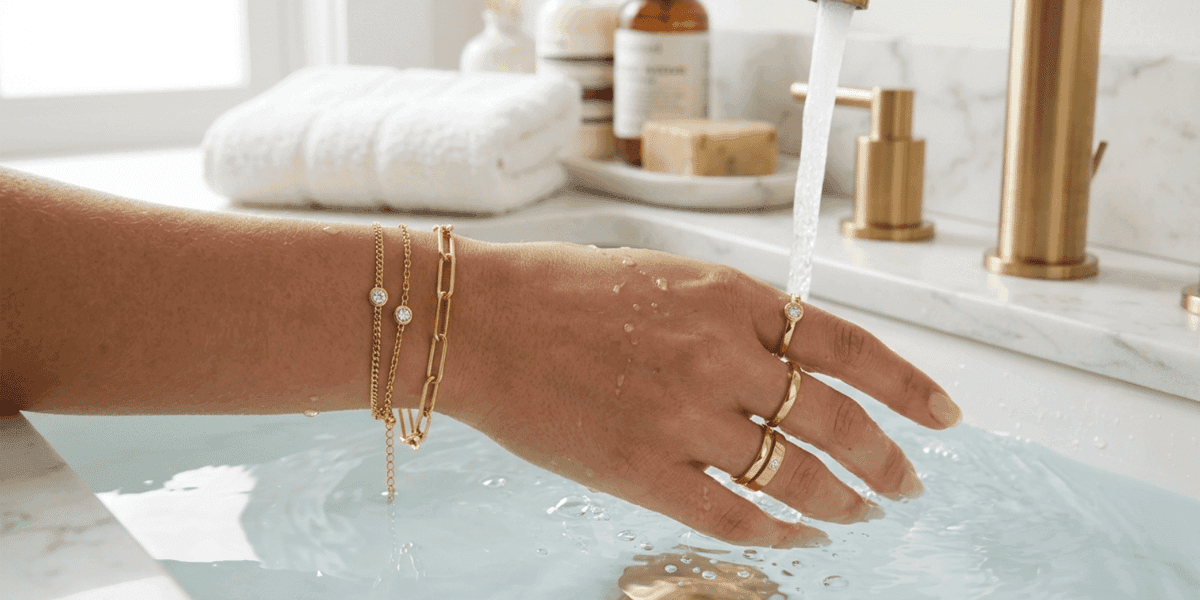
Customers became far more skeptical of cheap plated jewelry after repeated complaints about fading, tarnishing, and discoloration. That frustration pushed “waterproof” and “tarnish-free” jewelry into major search trends throughout 2025 and 2026.
Buyers now actively look for products they can wear daily without constantly removing.
Minimalist Everyday Jewelry
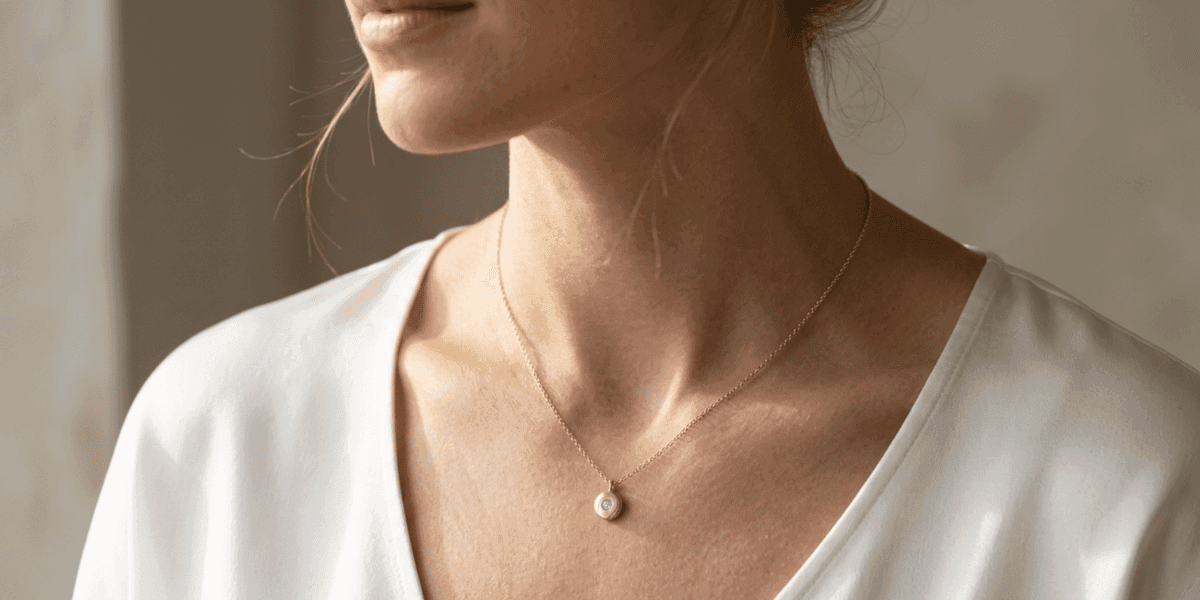
Minimalist jewelry keeps performing well because it blends naturally into everyday outfits and creator content.
Layered necklaces, simple rings, and neutral-toned gold pieces appear constantly across Pinterest boards, TikTok outfit videos, and casual UGC content. The styling feels subtle, which makes the products easier to market without looking overly sales-driven.
Luxury-Inspired Jewelry
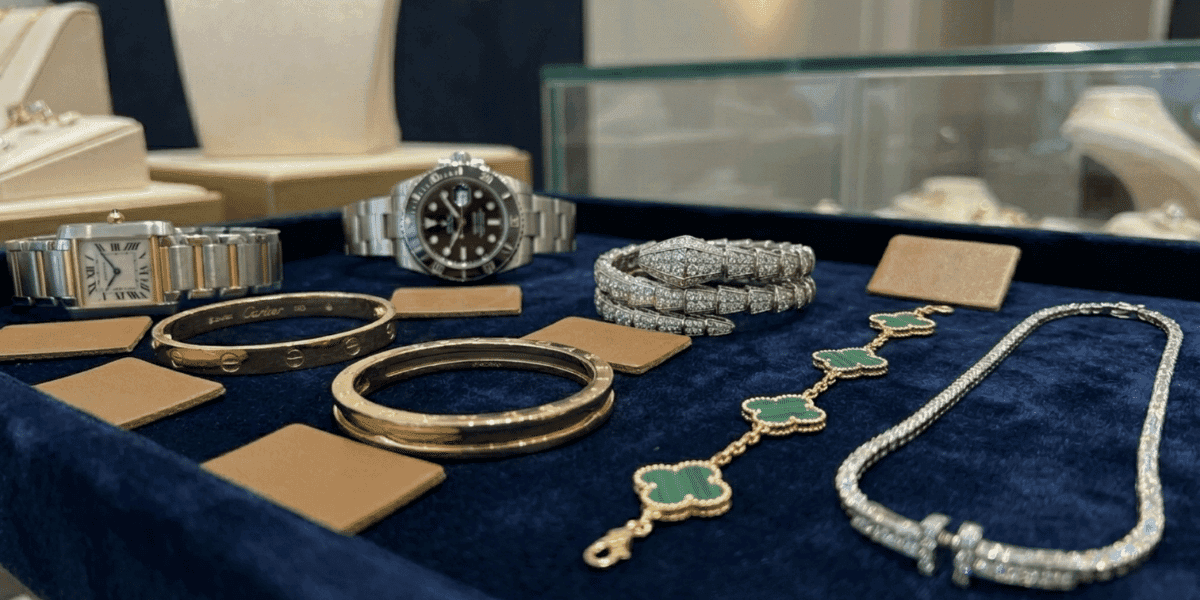
Luxury-inspired accessories still attract strong demand, especially products styled around high-end aesthetics like tennis chains and designer-inspired bracelets.
The category can generate strong margins, though sellers need to stay careful around trademarked branding and direct counterfeit designs to avoid legal and advertising problems.
How Much Profit Can Jewelry Dropshipping Stores Make?
Jewelry dropshipping can produce healthy margins, though profitability changes quickly once advertising costs increase. A product sourced for $5 may still sell for $40 or more when branding and presentation feel premium.
A typical order usually includes:
Supplier cost
Shipping fees
Packaging expenses
Transaction fees
Customer acquisition costs
Refund or replacement risk
Many new stores look profitable during early testing because ad costs stay relatively low. The challenge appears once scaling begins. Rising CPMs, creative fatigue, and heavier competition can reduce margins much faster than beginners expect.
Jewelry also depends heavily on perceived value. Packaging, photography, and unboxing experience often influence buying decisions as much as the product itself. A simple necklace can feel far more expensive when the presentation looks polished and gift-worthy.
Long-term profitability usually comes from repeat customers. Buyers who trust the quality are far more likely to return for matching pieces, gifting purchases, or seasonal collections.
How to Find Winning Jewelry Products Before Competitors?
Jewelry trends spread fast on TikTok and Instagram. A bracelet or necklace can go from unknown to oversaturated within days once creators, repost pages, and dropshipping stores start pushing the same product repeatedly.
Because of that, smart sellers track signals early instead of waiting for products to appear everywhere.
Things worth watching closely:
Sudden spikes in comments and shares
Creators repeatedly wearing the same style
Ads running for longer periods
Similar products appearing across multiple stores
UGC videos getting unusually strong engagement
The research usually becomes clearer once you start comparing stores side by side. Strong sellers monitor ad libraries, study product positioning, review comment quality, and track which creatives competitors continue scaling aggressively.
WinningHunter makes that process much faster by combining TikTok ad tracking, Facebook ad spying, sales estimates, creative downloads, reverse image searches, and trend monitoring in one workflow.
Sometimes the biggest opportunity appears before a product fully explodes, when a few stores quietly begin pushing the same jewelry style across multiple platforms simultaneously.
Common Mistakes New Jewelry Dropshippers Make
Jewelry looks easy to sell from the outside because margins appear high and products are small to ship. The problems usually begin once stores start running ads, handling refunds, and competing against hundreds of nearly identical brands online.
Some of the most common mistakes include:
Choosing products only because supplier costs look cheap, instead of checking quality and long-term demand
Using generic supplier photos that customers already recognize from dozens of other stores
Ignoring material education, even though buyers now pay close attention to plating, waterproof claims, and tarnish resistance
Running paid ads before ordering samples and testing product quality personally
Depending entirely on TikTok traffic without building other acquisition channels like Pinterest, email, or influencer partnerships
Underestimating how strongly shipping speed affects customer trust and refund rates
Launching stores without clear return and refund policies
Scaling ads too aggressively before customer acquisition costs become consistently profitable
Selling random product catalogs with no visual identity, styling direction, or brand personality
Jewelry Stores That Last Usually Build Trust First
Jewelry dropshipping works best when you treat it like a brand, not a quick product flip. The stores surviving in 2026 are combining supplier sourcing, strong creative content, fast fulfillment, and customer retention into one consistent experience instead of depending on cheap products alone.
A trending necklace may attract clicks for a few weeks, though long-term growth usually comes from trust. Customers pay attention to quality, packaging, shipping speed, and how believable the brand feels across social platforms.
That is also why serious sellers spend time studying trends before launching products blindly. Watching competitor positioning, ad fatigue, engagement quality, and creative patterns often reveals more than supplier catalogs ever will.
WinningHunter helps simplify that research by tracking competitor ads, surfacing winning creatives, and identifying jewelry products gaining momentum before the market becomes overcrowded.
FAQs
How profitable is jewelry dropshipping?
Jewelry dropshipping can generate strong margins because perceived value is often much higher than manufacturing cost. A product sourced for a few dollars may still sell for several times more once branding and presentation improve. Profitability depends heavily on ad costs, shipping reliability, creative quality, refund rates, and how trustworthy the brand feels to customers.
What type of jewelry performs best for dropshipping?
Waterproof jewelry, personalized pieces, minimalist accessories, and stainless steel products continue performing strongly in 2026. Products tied to identity, gifting, or everyday wear usually convert better because customers form stronger emotional attachment to them. Repeat wearability also increases retention since buyers are more likely to return for matching pieces or future collections.
Is jewelry dropshipping saturated?
The jewelry market is highly competitive, though opportunity still exists for stores with strong branding and clear positioning. Generic stores using copied supplier images struggle far more today than focused brands with consistent aesthetics, faster shipping, and stronger content quality. Customers now pay closer attention to trust, presentation, and product credibility before purchasing.
Does jewelry dropshipping still work in 2026?
Yes, though the business model looks very different from early AliExpress era dropshipping. Stores relying only on cheap products and basic ads struggle to survive. Modern jewelry brands compete through faster fulfillment, better creative execution, material transparency, stronger customer experience, and more polished branding across social platforms.


We already know what works before you even have the chance to blink!
© 2024 WinningHunter.com