tiktok-ads-examples
10 TikTok Ads Examples and What Makes Them Work
By
Kinnari Ashar
What makes someone stop scrolling on TikTok for a product they have never heard of?
A strange little gadget appears for two seconds. Someone presses a button, wipes a surface, pours a liquid, pulls a cord. The result shows up instantly. You did not plan to watch the whole video, yet somehow you stayed.
That is the quiet trick behind TikTok advertising. The ad does not arrive like an ad. It slips into the feed disguised as a normal video, tells a tiny story, and leaves the viewer curious enough to keep watching.
Marketers study TikTok ads examples for this exact reason. A single clip can reveal how a product is introduced, how curiosity builds, and how the final moment makes the viewer understand the value.
The examples ahead look at those videos closely and show what makes them work.
Types of TikTok Ads Brands Use
Before looking at real TikTok ad examples, it helps to know where these ads appear on the platform. TikTok offers several placements, and each one changes how viewers experience the ad.
In Feed Ads: These ads show up while people scroll through the For You feed. The video sits between regular posts and plays like any other TikTok clip. After a moment, a button such as Shop Now or Learn More appears on the screen. Because the placement feels like a normal video in the feed, ecommerce brands often use it to introduce products without disrupting the viewing experience.
Spark Ads: Spark Ads promote videos that already exist on TikTok. A brand can boost a post from its own account or run ads using a creator’s video. The original likes, comments, and shares stay visible on the post, which keeps the content looking like a regular TikTok video rather than a traditional advertisement.
TopView Ads: This placement appears the moment someone opens the TikTok app. The video fills the entire screen and becomes the first piece of content the user sees. Brands typically reserve this format for large campaigns or product launches where maximum visibility matters.
Branded Hashtag Challenges: In this format, a brand launches a hashtag and encourages users to create their own videos around a specific idea or activity. When people begin posting content using the hashtag, the campaign spreads through user participation and gains visibility across the platform.
Branded Effects: Brands can design custom filters, augmented reality effects, or interactive stickers that users apply when recording their own videos. Once creators start using the effect, the brand becomes part of the content that people share across TikTok.
What High-Performing TikTok Ads Have in Common?
Watch enough TikTok ads and certain patterns start showing up. Different brands. Different creators. Yet the structure often feels familiar.
The opening moment stops the scroll: Something unusual happens immediately, such as a product solves a problem in seconds, or a strange tool appears on the screen, the creator reacts to a surprising result. The goal is to buy a few seconds of attention.
The video looks like a normal TikTok post: The strongest ads do not look polished. They feel like something a creator recorded during the day. A quick test, a reaction, a casual explanation. That familiarity keeps viewers from skipping.
The product appears early: Viewers do not wait long to understand what the video is about. The product shows up quickly, and the benefit becomes obvious through action.
The pacing stays quick: Clips move fast. Scenes change frequently. Captions guide the viewer while the video plays. Nothing lingers long enough to lose attention.
10 TikTok Ads Examples From Real Brands
Brands experiment with different creative styles on TikTok, yet a few storytelling patterns show up repeatedly in successful campaigns.
The examples below highlight how real brands present products through short videos that capture attention quickly and communicate the value within seconds.
1. Gymshark - Transformation Fitness Ad
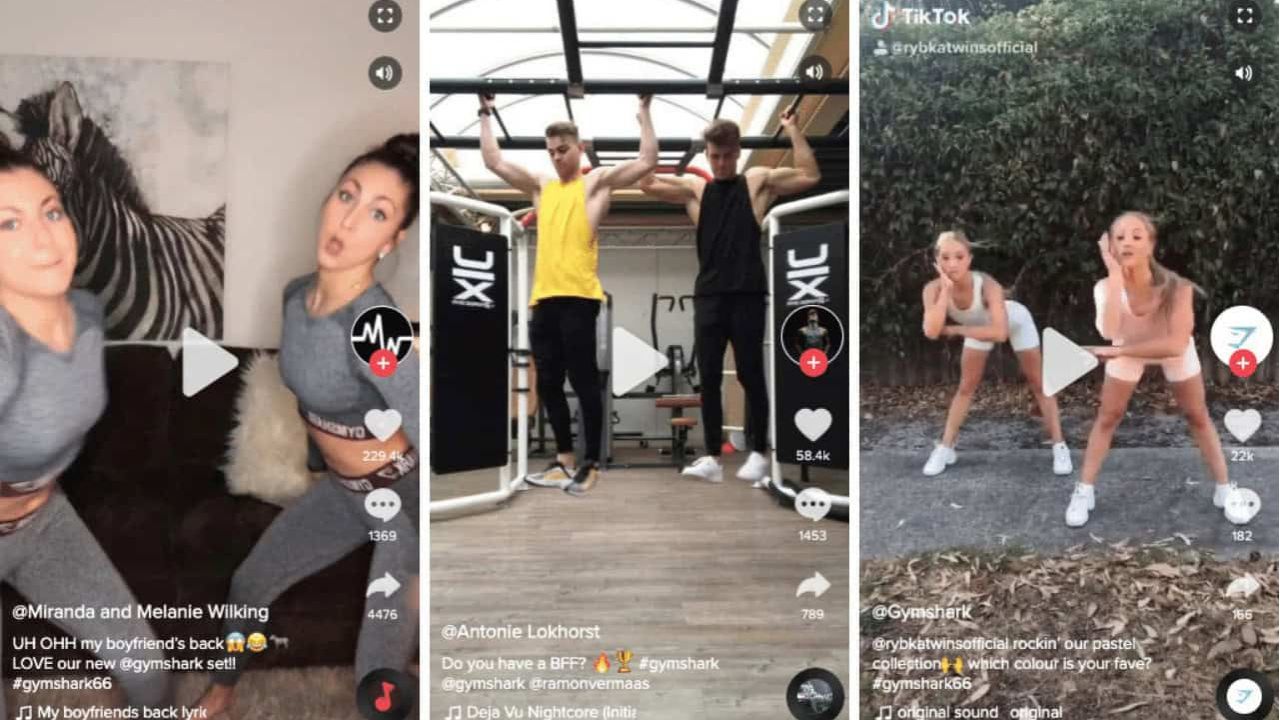
The video plays on a familiar TikTok idea: a quick transformation.
The creator appears in everyday clothes for a brief moment, then the scene flips to a full workout look featuring Gymshark apparel. The shift feels simple yet visually satisfying.
The opening frame shows the creator standing casually in normal clothing, often filmed in a bedroom mirror or hallway. After a brief pause, a quick motion triggers a jump cut. In the next moment, the same person appears in Gymshark training gear. The final seconds usually include a short workout movement or confident pose that highlights the outfit.
This ad works because the transformation instantly creates curiosity, as viewers want to see the final reveal.
TikTok audiences are already familiar with quick outfit change videos, so the format feels native to the platform. The product also remains visible without needing explanation. Within a few seconds, the viewer understands what is being shown, and the quick pacing keeps the clip satisfying to watch until the end.
Ad format: Transformation trend
Hook: Sudden outfit change transition
Story structure: Before → After reveal
Why it works: TikTok viewers love quick transformations
Marketing takeaway: Use visual changes that happen instantly
2. Scrub Daddy - Humorous Product Demonstration
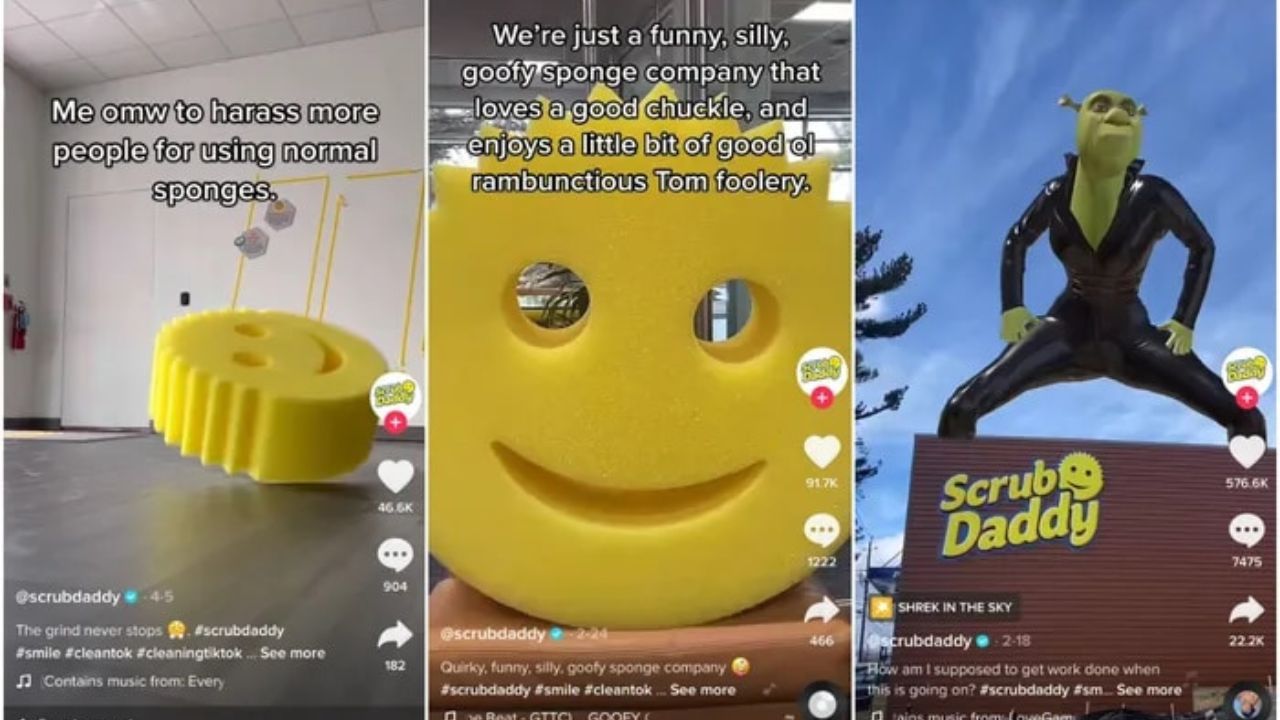
This ad starts with something TikTok viewers instantly recognize: a comment from the audience. The founder pulls up a remark questioning the sponge and reacts to it on camera. The tone feels playful, almost like he is responding directly to someone in the comments section.
As the video continues, the conversation naturally turns into a quick cleaning test. The sponge appears on screen while he talks through the comment, scrubbing a surface and showing the result in real time. The demonstration unfolds casually, with small jokes and reactions woven into the explanation.
What makes this ad effective is how naturally the product appears in the story. The video feels less like a prepared advertisement and more like a creator responding to viewers. That interaction keeps people watching, while the cleaning demonstration quietly proves what the sponge can do.
By the time the clip ends, the audience has seen the product work without feeling like they just watched a sales pitch.
Ad format: Comment response product demo
Hook: Founder reacts to a viewer comment about the sponge
Story structure: Comment → Demonstration → Result
Why it works: Humor and personality make the video entertaining, while the cleaning demo proves the product value
Marketing takeaway: Turn customer comments into engaging product demonstrations
3. Fenty Beauty - Creator Review Ad
A beauty creator appears on camera holding a bottle of Fenty Beauty foundation and immediately starts talking about shade matching. The tone feels relaxed, almost identical to a normal makeup video someone might post during their routine. The product is introduced quickly, then the creator begins applying the foundation while speaking directly to viewers.
The camera stays close as the foundation is blended across the skin. While applying it, the creator comments on coverage, texture, and how the shade works with their complexion. Viewers can watch the product settle on the skin in real time, which makes the result easy to judge without relying on claims or captions.
This style performs well on TikTok because it mirrors the type of beauty content people already trust. Instead of a scripted advertisement, the video feels like a creator sharing their experience with a product. Seeing the foundation applied to real skin removes uncertainty and allows viewers to form their own opinion from the demonstration.
Ad format: Creator beauty review
Hook: Creator introduces the foundation while discussing the shade match
Story structure: Product introduction → Application → Final look
Why it works: Creator-led demonstrations feel authentic and allow viewers to judge the product result themselves
Marketing takeaway: Let creators demonstrate products in real use rather than relying on scripted promotions
4. Duolingo - Trend-Based Mascot Ad
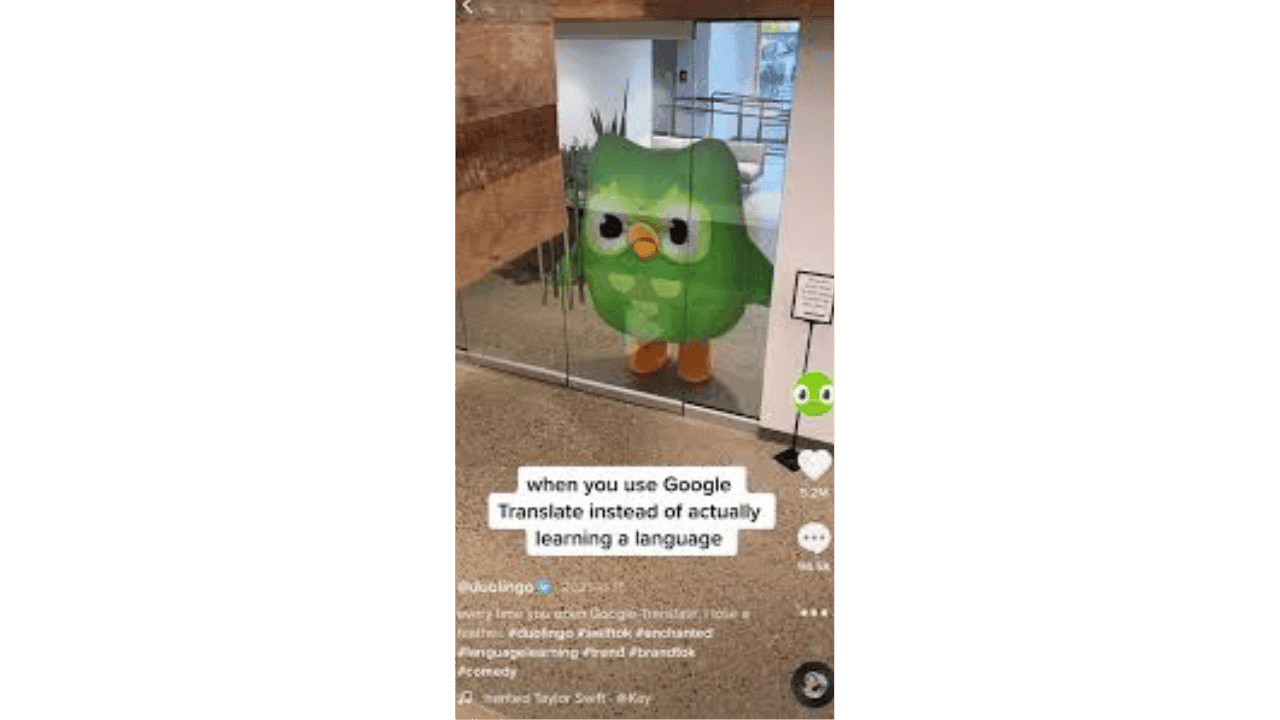
You are scrolling through TikTok, and suddenly the Duolingo owl shows up doing the exact trend you watched three videos ago. No lesson. No explanation about learning a language. Just the mascot committing fully to the joke.
The video usually drops straight into the trending sound. The owl acts out the meme, exaggerates the punchline, or plays along with the format creators are already using. Sometimes a small reference to the language app appears in the background, though the focus stays on the moment itself.
This style works because the brand behaves like another TikTok account participating in the trend.
When content matches the humor and rhythm people already expect on the platform, viewers treat it like entertainment. That makes them comment, share the video, and tag friends, which spreads the clip far more effectively than a direct promotion would.
Ad format: Trend participation
Hook: Duolingo mascot joins a popular TikTok sound
Story structure: Trend setup → Mascot participation → Comedic moment
Why it works: The brand behaves like a normal TikTok creator, making the content feel entertaining rather than promotional
Marketing takeaway: Participate in platform trends to increase organic reach and engagement
5. Cleaning Product - Stain Removal Demo
A dark stain fills the frame. The creator points the camera closer and says something like, “Let’s see if this actually works.” The setup is simple and direct, giving viewers a clear problem to focus on before anything else happens.
The product enters the shot almost immediately. A small amount of the cleaner is applied to the stain, and the creator begins wiping or scrubbing the surface. The camera stays tight on the area so viewers can watch the stain fade as the cleaning happens.
This type of ad performs well because the result appears right in front of the viewer. There is no long explanation or list of claims. People simply watch the stain disappear. That visible proof makes the product easy to understand, and the transformation itself creates a satisfying moment that keeps viewers watching.
Ad format: Visual demonstration
Hook: A visible stain appears on screen before the cleaning begins
Story structure: Problem → Product use → Clean result
Why it works: The transformation provides immediate visual proof of the product’s effectiveness
Marketing takeaway: Show the product solving a clear problem directly on screen

6. Kitchen Gadget - Curiosity Hook Ad
You are scrolling through TikTok when someone holds up a small kitchen tool and says, “I bought the strangest kitchen gadget online.” Naturally, you pause for a second. What is that thing? What does it even do?
The creator does not explain it right away. They start using the gadget instead. The camera stays close while the tool slices, peels, or performs its oddly specific task. As the demonstration continues, the purpose of the gadget slowly becomes clear.
Think about what happens while you are watching. You stay for a few more seconds because you want the answer. That curiosity is exactly what keeps viewers from scrolling away. The product reveals itself through the demonstration, and by the time the video finishes, you have already seen exactly how it works.
Ad format: Curiosity-driven product reveal
Hook: Creator presents an unusual kitchen tool
Story structure: Curiosity hook → Demonstration → Purpose revealed
Why it works: Viewers stay to understand what the gadget does and how it works
Marketing takeaway: Use curiosity-driven openings to hold attention during product demonstrations
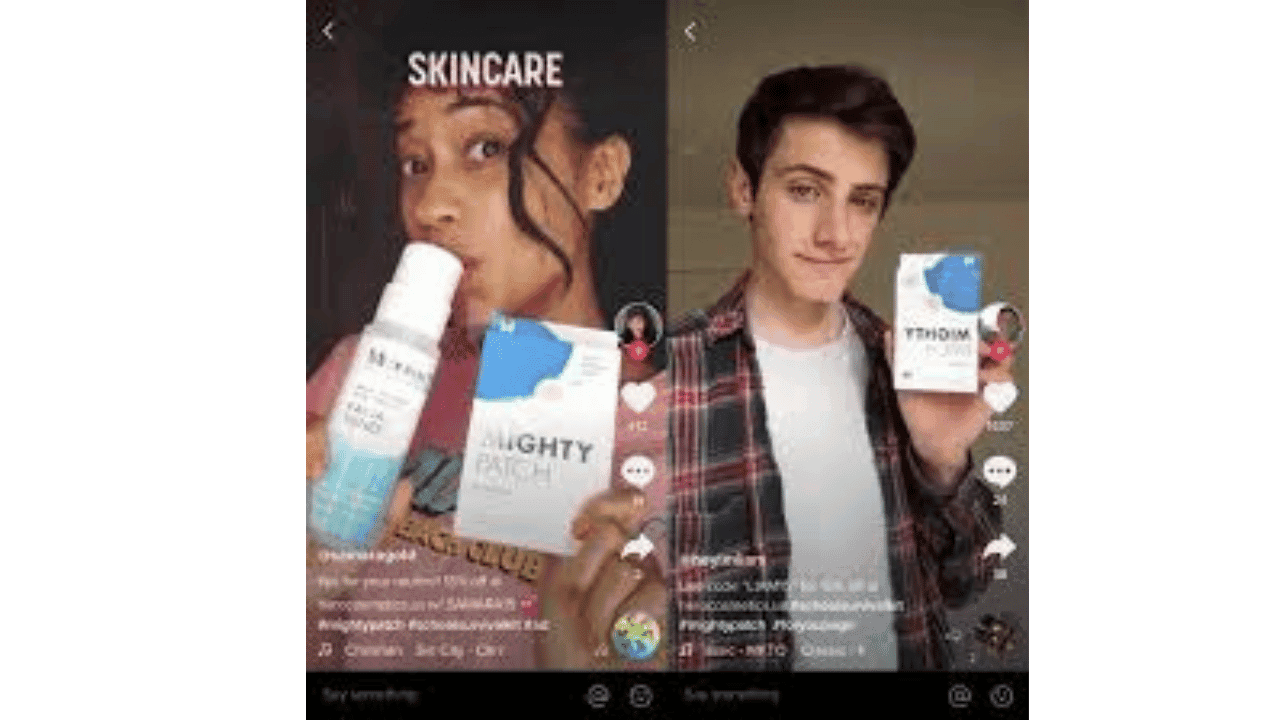
7. Skincare Brand - Before and After Ad
Imagine a creator looking straight into the camera and saying, “This is my skin right now.” The clip shows visible redness, acne, or texture. No filters. Just a clear starting point.
Then the timeline moves forward. The creator shows short clips from different days while using the skincare product as part of their routine. You watch the progress gradually appear on screen until the final frame reveals noticeably clearer skin.
Why does this type of ad hold attention so well? Part of it comes down to contrast. When you see the starting condition and then the visible improvement, the difference becomes hard to ignore. Transformation videos naturally invite viewers to keep watching because they want to see how the story ends.
Ad format: Transformation video
Hook: Creator shows the starting skin condition
Story structure: Before → Routine clips → After result
Why it works: Visible improvement keeps viewers watching to see the final outcome
Marketing takeaway: Highlight a clear visual change when promoting beauty or skincare products
8. Phone Accessory - Problem Solution Ad
How many times has your phone dropped to ten percent when you still have half the day left?
This ad leans directly into that frustration. The creator shows their phone screen hovering at a dangerously low battery level while they are out during the day. No charger nearby. No outlet in sight.
That is when the small portable charger appears. The device clips onto the phone, the charging icon pops up, and the problem disappears in seconds. The creator keeps using the phone as usual, showing how the accessory fits naturally into everyday life.
The appeal is simple. The video mirrors a situation almost everyone recognizes. Once viewers see the problem they already know, the solution feels instantly useful.
Ad format: Problem solution demonstration
Hook: Phone battery running low during the day
Story structure: Problem → Product introduced → Charging solution
Why it works: The scenario mirrors a common frustration viewers experience daily
Marketing takeaway: Start with a relatable problem before introducing the product
9. Pet Product - Reaction Video Ad
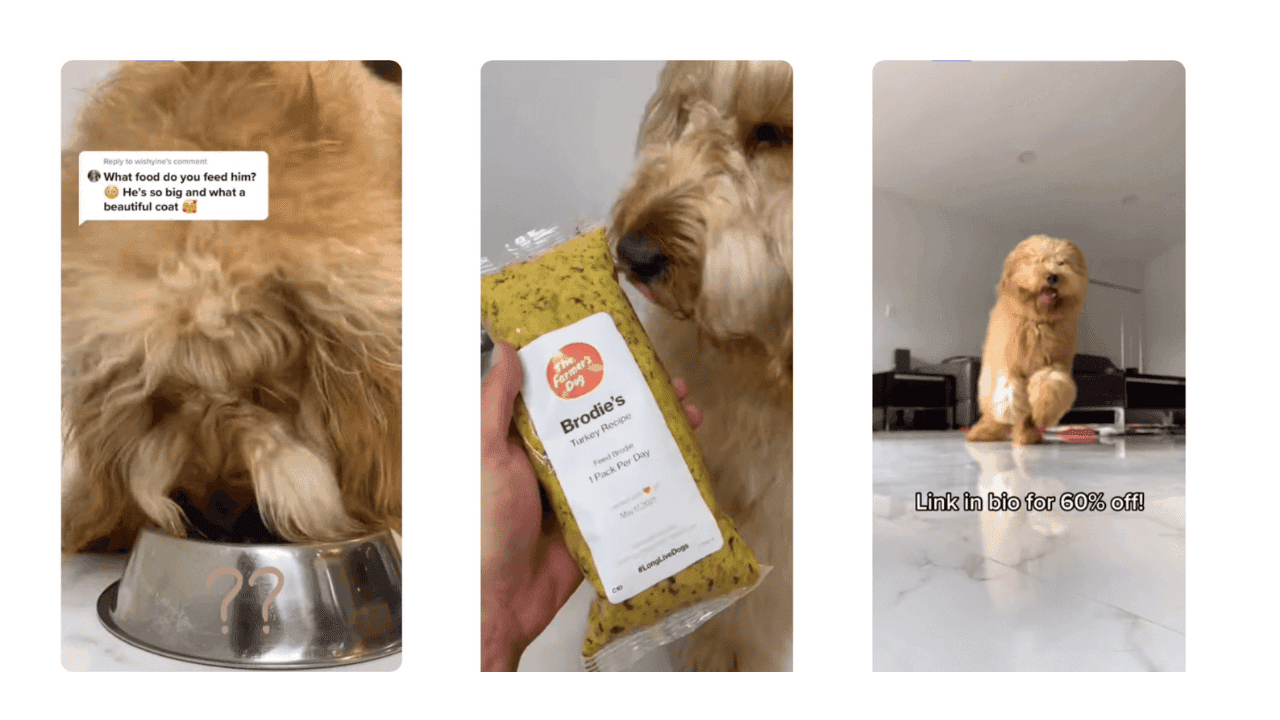
Have you ever watched a pet discover a new toy for the first time? That moment of confusion, excitement, and pure curiosity is exactly what this ad captures.
The video usually starts with a dog or cat noticing a new object on the floor. The animal approaches it cautiously, sniffs around, then suddenly begins playing with the toy or interacting with the feeding gadget. The camera stays focused on the pet’s reaction rather than the product itself, letting the animal’s behavior carry the moment.
That reaction becomes the entire appeal of the video. Viewers naturally respond to animals showing excitement, surprise, or playful energy. When people find the moment entertaining or cute, they tend to tag friends, leave comments, or share the clip. The product ends up gaining visibility simply because the pet’s reaction makes the video enjoyable to watch.
Ad format: Pet reaction video
Hook: Pet notices a new toy or feeding gadget
Story structure: Discovery → Interaction → Playful reaction
Why it works: Emotional engagement with animals encourages comments and shares
Marketing takeaway: Capture genuine reactions that make the product interaction entertaining
10. Restaurant Ad - Food Preparation Video
You know those food videos that suddenly make you hungry even though you were not thinking about food a second ago. That is the idea behind this type of restaurant ad.
The camera stays close to the preparation process. Fresh ingredients get chopped, sauce spreads across dough, meat hits a hot grill, and layers start coming together one step at a time. Instead of explaining the menu, the video simply lets viewers watch the dish take shape.
This format works because the visuals do all the convincing. When viewers see steam rising, cheese stretching, or crispy edges forming, the food becomes hard to ignore. That sensory appeal pulls people in and often sends them straight to the comments asking where the restaurant is located.
Ad format: Food preparation showcase
Hook: Close-up of ingredients hitting a hot pan
Story structure: Preparation → Cooking process → Final dish reveal
Why it works: Sensory visuals make the food look irresistible and encourage viewers to imagine the taste
Marketing takeaway: Use close-up visuals and motion to make food content visually appealing

Creative Patterns Behind Successful TikTok Ads
Looking across these examples, you start to notice how differently brands present their products on TikTok. Some rely on humor, others on demonstrations, reactions, or transformations. Each format tells the story in its own way while keeping the viewer curious.
Yet underneath that variety, a few storytelling patterns appear repeatedly. Some ads begin with a relatable problem and quickly move toward a visual solution. Others open with a line or moment designed to spark curiosity, pulling viewers into the demonstration.
Another pattern focuses on visible change. When the viewer can clearly see a difference between the starting point and the result, the story naturally holds attention. Short-form video formats built around transformation and visual storytelling work really well.
Creator-driven videos form another recognizable style. When the product appears through a casual review or personal experience, the content feels closer to normal TikTok posts.
Where Marketers Find TikTok Ads Examples for Inspiration?
If you want to understand how brands advertise on TikTok, the quickest method is simple. Watch the ads, they are already running.
Marketers spend hours doing exactly that. They scroll through campaigns to see how a product appears in the first few seconds, how creators introduce it, and what kind of story keeps people watching.
One place where these ads surface publicly is the TikTok Creative Center. It highlights campaigns and creative styles gaining attention across the platform, which makes it useful for spotting emerging trends.
Another source is the TikTok Commercial Content Library. This transparency database shows active advertisements running on TikTok, allowing anyone to look up campaigns from specific brands.
Many e-commerce advertisers go a step further and use ad intelligence tools that organize these ads in one place. WinningHunter collects TikTok ads from ad libraries and allows marketers to filter them by engagement signals, creative format, and estimated ad spend.
Lessons From Successful TikTok Ads
Look through enough TikTok ads, and one thing becomes obvious. The videos that perform well rarely feel like traditional advertisements. They capture attention quickly, tell a simple story, and show the product in action without over-explaining it.
Across the examples in this guide, a few patterns appear repeatedly. Curiosity-driven openings, creator demonstrations, and visible transformations all give viewers a reason to keep watching. These small storytelling choices often make the difference between an ad people skip and a video they actually finish.
For marketers, studying these campaigns offers a clear advantage. Watching how successful ads introduce a product, hold attention, and reveal the benefit helps you understand how to structure your own TikTok creatives.
If you want to explore more real campaigns, WinningHunter makes the process easier. The tool gathers TikTok ads in one place and allows advertisers to study creative formats, track competitor campaigns, and spot trending products.
Instead of searching manually, you can analyze thousands of ads and identify ideas worth testing before launching your next campaign.


We already know what works before you even have the chance to blink!
© 2024 WinningHunter.com