amazon-fba-vs-dropshipping
Amazon FBA vs Dropshipping
By
Kinnari Ashar
Everyone online makes e-commerce sound simple until your money gets tied up in inventory or your ads stop converting overnight.
Amazon FBA and dropshipping both promise online income, but they operate very differently once you get past the YouTube thumbnails and TikTok clips. One gives you Amazon’s fulfillment machine. The other gives you flexibility with far less control. Neither works like the “set it and forget it” business model creators love to sell.
In 2026, e-commerce feels far more crowded and far less forgiving. Shipping expectations got faster, advertising costs climbed, Amazon fees kept growing, and AI-generated stores flooded the market with copycat products.
So which model still makes sense for you?
This guide breaks down how Amazon FBA and dropshipping actually work today and the kind of operator each business model rewards most.
What Is Amazon FBA?
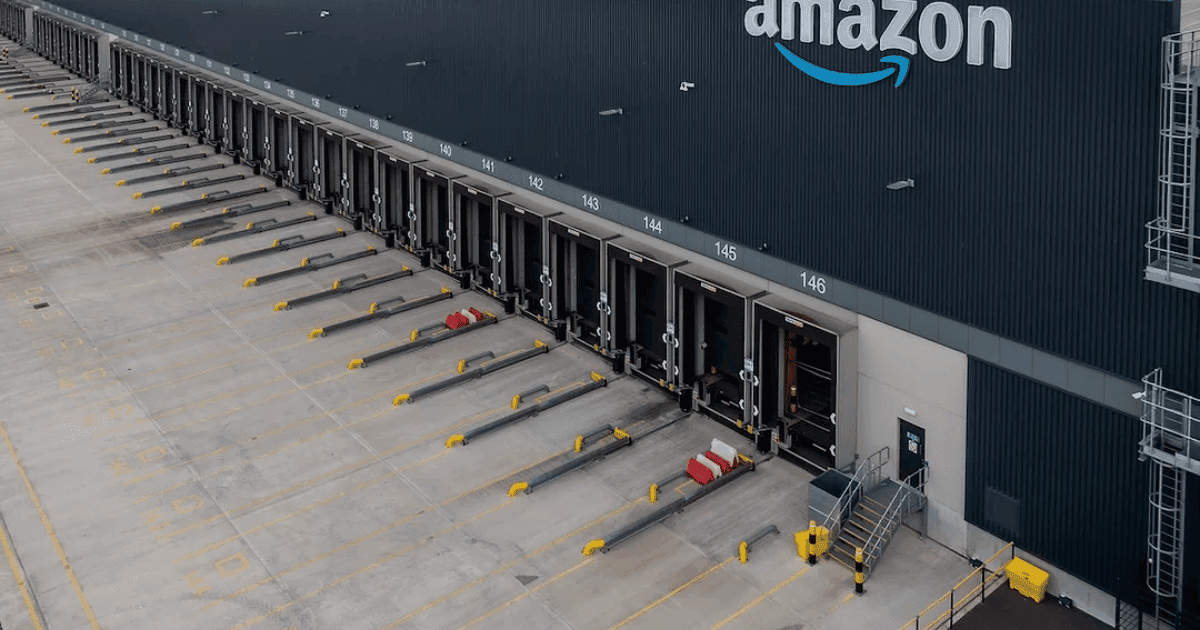
Amazon FBA, short for Fulfillment by Amazon, is an ecommerce model where you sell products through Amazon while Amazon manages the fulfillment side of the operation. You purchase inventory from a supplier or manufacturer, send the products to Amazon warehouses, and list them on the Amazon marketplace for customers to buy.
When an order comes in, Amazon stores the inventory, packs the product, ships it to the customer, handles returns, and manages delivery-related customer service. You still run the business itself, including product sourcing, branding, pricing, advertising, and inventory planning.
FBA is widely used by private label brands, wholesalers, and independent ecommerce sellers looking to sell directly on Amazon.
How Amazon FBA Works?
Amazon FBA follows a fairly structured process. You handle the business decisions while Amazon manages the fulfillment side after inventory reaches its warehouses.
1. Product Research and Supplier Sourcing
The process starts with finding products people already want to buy. Sellers usually look for items with stable demand, reasonable competition, and enough profit margin left after Amazon fees and advertising costs.
Once a product is selected, inventory gets sourced from manufacturers or wholesalers. Many sellers order samples first to check product quality, packaging, and consistency before committing to larger inventory purchases.
Key tasks at this stage include:
Product research and market validation
Competitor analysis
Supplier negotiation
Product sampling and quality checks
Margin calculations after Amazon fees
2. Shipping Inventory to Amazon
After the inventory is ready, products are shipped to Amazon fulfillment centers. Before shipping, items usually need barcode labels, packaging preparation, and shipment setup through Amazon Seller Central.
Some sellers use freight forwarders to handle international logistics, customs clearance, and warehouse delivery coordination.
This stage includes:
Inventory preparation
Barcode labeling
Freight forwarding
Shipment planning
Warehouse allocation by Amazon
3. Creating and Optimizing Product Listings
Once inventory arrives, the products go live on Amazon. Sellers create listings with product images, titles, descriptions, and search keywords designed to rank inside Amazon search results.
Visibility depends heavily on listing quality and advertising performance, which is why many sellers run Amazon PPC campaigns during product launches.
Important parts of this step include:
Product photography
SEO focused listing optimization
Keyword targeting
Review generation
Amazon PPC advertising
4. Order Fulfillment and Customer Service
When customers place orders, Amazon handles storage, packing, shipping, delivery tracking, returns, and much of the customer support related to fulfillment.
Products fulfilled through FBA also receive Prime eligibility, which helps meet customer expectations for fast shipping.
Amazon manages:
Order fulfillment
Shipping and delivery
Returns processing
Delivery-related customer support
Prime shipping eligibility
Advantages of Amazon FBA
Amazon FBA attracts sellers because it combines marketplace traffic, fulfillment infrastructure, and customer trust under one platform. You still compete aggressively for visibility, but Amazon removes several operational barriers that normally slow down e-commerce growth.
Some of the biggest advantages include:
Access to customers already searching with purchase intent, which reduces the need to build traffic completely from scratch.
Organic rankings can generate recurring sales for months if a product maintains strong reviews, conversion rates, and consistent inventory levels.
Prime shipping improves customer confidence because buyers expect fast delivery and easier returns when shopping on Amazon.
Amazon helped reshape ecommerce expectations across the entire industry, with fast shipping now viewed as the standard rather than a premium feature.
Private label products can grow into recognizable brands, especially in categories with repeat purchases such as skincare, supplements, home organization, or pet products.
Established FBA brands sometimes sell for 3 to 5 times their yearly profit, particularly when they show stable revenue, supplier relationships, and strong customer retention.
Amazon handles storage, packing, shipping, and returns, allowing sellers to focus more on inventory planning, advertising, and expansion.
Scaling usually becomes more operations-focused once product-market fit is established, since the fulfillment system already exists.
Built-in reviews, familiar checkout flow, and marketplace credibility create stronger buyer trust compared to brand-new standalone ecommerce stores.
Customers often feel more comfortable purchasing from Amazon, even when they have never heard of the seller before.
Disadvantages of Amazon FBA
Amazon FBA can scale well, but the model comes with meaningful financial pressure and operational risk that beginners often underestimate.
Some of the biggest disadvantages include:
High upfront costs compared to other e-commerce models, since you need to purchase inventory before making sales.
Launch expenses usually include inventory orders, freight shipping, customs, packaging, photography, trademark registration, and Amazon PPC advertising.
Smaller launches can sometimes begin around $3,000, though competitive categories often require closer to $8,000 to $15,000 for inventory depth, ads, and branding strong enough to compete.
Amazon fees can compress margins quickly once referral fees, fulfillment fees, storage charges, advertising spend, and return processing costs are added together.
Many online profit margin claims ignore operational costs such as refunds, inventory storage penalties, inbound shipping, and rising PPC competition.
Amazon referral fees alone often range between 8% and 15%, depending on category, before fulfillment and advertising expenses are deducted.
Inventory ties up capital for long periods, especially when products move more slowly than expected, or suppliers face manufacturing delays.
Overstocking can increase storage costs, while stockouts can damage rankings and sales momentum.
Freight disruptions and customs delays can interrupt inventory flow for weeks, creating cash flow pressure for growing sellers.
Your business remains heavily dependent on Amazon’s marketplace rules, policies, and enforcement systems.
Account suspensions, listing hijackers, Buy Box competition, and compliance reviews can affect revenue with little warning.
Amazon's fee structures continue evolving, with new surcharges and fulfillment adjustments affecting seller profitability across multiple regions.
What Is Dropshipping?
Dropshipping is an e-commerce business model where you sell products online without keeping inventory yourself. When a customer places an order on your store, you forward the order details to a supplier, manufacturer, or wholesaler, and they ship the product directly to the customer.
You do not buy inventory upfront or manage warehouse storage. Your main responsibilities usually include product research, store management, pricing, marketing, customer support, and order coordination.
The supplier handles inventory storage, packaging, and shipping behind the scenes while your store operates as the customer-facing brand. This model became popular because it lowers the upfront capital needed to start an e-commerce business compared to inventory-based models.
How Dropshipping Works?
1. Product Research
Dropshipping starts with product research. Sellers look for products already gaining traction across platforms such as TikTok, Meta, Instagram, and ecommerce stores. The goal is to identify products with strong engagement, proven demand, and room for profitable advertising before launching campaigns.
Key parts of this stage include:
Competitor research
Demand validation
Pricing analysis
Creative research across social platforms
Modern dropshipping moves very quickly, which is why research tools became a major part of the business model. With WinningHunter, you can analyze winning ads, monitor competitor stores, track ad spend activity, estimate store sales, discover trending products, and validate demand faster before spending heavily on ad testing.
2. Building a Store
After selecting products, sellers build an e-commerce storefront using platforms such as Shopify. The store acts as the customer-facing brand, so presentation and trust matter heavily.
This stage usually includes:
Product page creation
Mobile optimization
Branding setup
Checkout optimization
Pricing and offer structure
3. Running Paid Ads and Traffic Campaigns
Traffic generation becomes the next priority. Unlike Amazon FBA, dropshipping depends heavily on marketing performance because customers are not already searching for your products directly.
Common traffic methods include:
Meta ads
Influencer campaigns
User-generated style video creatives
Retargeting campaigns
4. Supplier Fulfillment
Once customers place orders, the supplier receives the order details automatically and ships the product directly to the customer. The seller does not store inventory personally.
Supplier fulfillment usually covers:
Inventory storage
Product packaging
Shipping and tracking
Order processing
5. Customer Retention
The seller still manages customer communication, support requests, refunds, and post-purchase marketing. Strong dropshipping stores also focus heavily on retention because repeat customers improve profitability significantly.
Retention strategies often include:
Email marketing
SMS campaigns
Upsells
Product bundles
Repeat purchase offers
Advantages of Dropshipping
Dropshipping became popular because it removes several barriers that normally make e-commerce difficult for beginners. You can launch faster, test products with less financial risk, and adapt quickly when trends change.
Some of the biggest advantages include:
Lower startup costs since you do not need to purchase bulk inventory before launching your store.
Easier entry point for beginners who want to learn e-commerce without committing large amounts of capital upfront.
Faster store setup compared to inventory-based business models because suppliers already hold the products.
Lower operational pressure early on, since you do not manage warehousing, packing, or inventory storage yourself.
Ability to test multiple products rapidly without getting stuck with unsold inventory when products fail.
Easier experimentation with trends, seasonal products, and viral social commerce categories.
More flexibility across niches because you can change products or store direction without liquidating inventory.
Faster launch timelines since stores can often go live within days once products, creatives, and suppliers are ready.
Strong fit for entrepreneurs focused heavily on marketing, ad testing, creative strategy, and short-form content production.
Well-suited for TikTok-driven ecommerce because trend-based products can be tested and scaled quickly through paid traffic.
Easier access to product validation tools and competitor research compared to previous e-commerce eras.
Disadvantages of Dropshipping
Dropshipping gives you flexibility and lower startup costs, but profitability becomes much harder once advertising costs, supplier reliability, and customer expectations start compounding.
Some of the biggest disadvantages include:
Heavy dependence on paid advertising since traffic usually comes from TikTok, Meta, influencers, or viral content instead of marketplace search traffic
Rising customer acquisition costs changed e-commerce economics significantly after 2021, making weak creatives and low-margin products much harder to scale profitably
Creative fatigue and platform volatility create constant pressure through ad account bans, declining campaign performance, and rapidly increasing CPMs
Lower profit margins once supplier costs, shipping fees, MOQ, refunds, chargebacks, apps, and advertising spend are fully included. Many realistic dropshipping net margins fall between roughly 10% and 20% for operational stores
Shipping delays, inconsistent tracking updates, product quality issues, and supplier stockouts can damage customer trust quickly because sellers do not control fulfillment directly
Trend-focused stores often struggle to build repeat customers or long-term brand loyalty since many purchases happen impulsively through social ads
Unknown ecommerce stores face stronger trust barriers because consumers now compare online shopping experiences against fast shipping and seamless returns offered by major marketplaces such as Amazon Prime
Amazon FBA vs Dropshipping: Key Differences
1. Inventory Risk vs Advertising Risk
Amazon FBA and dropshipping operate on very different business pressures, even though both sell products online.
Amazon FBA is an inventory-heavy commerce. You purchase stock upfront, manage supplier timelines, forecast demand, and deal with warehousing and logistics planning. The biggest risks usually come from inventory miscalculations, cash flow pressure, rising Amazon fees, and unsold stock sitting in fulfillment centers.
Dropshipping works more like attention-driven commerce. Inventory risk stays lower because suppliers fulfill orders after customers buy, but the business depends heavily on ad performance and customer acquisition costs. Success often comes down to creative testing, content quality, and media buying efficiency.
FBA rewards operational systems and inventory management. Dropshipping rewards marketing speed, trend recognition, and rapid experimentation cycles.
2. Customer Acquisition Differences
Amazon FBA benefits from existing marketplace traffic. Customers already search Amazon with purchase intent, so sellers focus more on rankings, reviews, pricing, and conversion optimization. Sales often come through search visibility inside the marketplace itself.
Dropshipping works differently. You usually need to create demand through TikTok ads, Meta campaigns, influencer content, or viral creatives. Growth depends heavily on creative strategy, audience targeting, and content performance across social platforms.
FBA relies more on marketplace discovery, whereas Dropshipping relies more on attention and advertising.
3. Profit Margin Comparison
Amazon FBA usually delivers stronger long-term margins once products stabilize, though fees reduce profitability quickly. Many established FBA sellers operate around 15% to 20% net margins after fulfillment, storage, returns, and PPC costs are included.
Dropshipping margins fluctuate more because advertising drives customer acquisition. Supplier costs, shipping, refunds, and rising ad costs often reduce realistic net margins closer to roughly 10% to 20% for sustainable stores.
Gross margin alone can be misleading because it ignores operational costs. A product may show a strong markup while still losing money after acquisition expenses.
Contribution margin matters more because it shows what remains after product costs and customer acquisition are deducted. High revenue means very little if ads consume most of the profit.
4. Scalability Comparison
Growth looks very different in each model once sales volume increases.
With Amazon FBA, scaling usually means handling larger inventory orders, managing supplier timelines, forecasting demand accurately, and maintaining healthy stock levels across fulfillment centers. Mistakes become expensive because delayed shipments or stockouts can hurt rankings and sales momentum.
Dropshipping creates a different type of pressure. Scaling depends heavily on ad performance, fresh creatives, audience targeting, and constant product testing. A campaign can perform well for weeks and then decline quickly once competition increases or creatives lose engagement.
One model expands through operational coordination, the other expands through marketing execution and testing speed.
Here’s a quick side-by-side comparison across the factors that impact profitability, scalability, risk, and long-term business growth most:
Factor | Amazon FBA | Dropshipping |
Startup Costs | Higher upfront investment for inventory, freight, packaging, and Amazon fees | Lower upfront costs since inventory is purchased after customer orders |
Profit Margins | Often stronger once products stabilize and scale successfully | Usually lower because advertising costs consume a large portion of revenue |
Shipping Speed | Fast fulfillment through Amazon warehouses and Prime delivery | Depends heavily on supplier location and fulfillment quality |
Inventory Ownership | Seller purchases and owns the inventory upfront | Supplier holds inventory until orders are placed |
Scalability | Driven by inventory systems, logistics, and supply chain coordination | Driven by advertising performance, creatives, and product testing |
Branding Potential | Stronger long-term brand-building opportunities through private label products | Harder to build durable brand equity with trend-focused products |
Customer Trust | Benefits from Amazon marketplace credibility and reviews | Requires stronger branding and social proof to build trust |
Traffic Source | Amazon marketplace search traffic | Paid ads, influencers, social commerce, and content marketing |
Risk Profile | Inventory and cash flow risk | Advertising and supplier reliability risk |
Operational Complexity | Heavier logistics and inventory management responsibilities | Heavier marketing and customer acquisition pressure |
Cash Flow | Capital tied into inventory for longer periods | Lower inventory exposure, but unstable ad costs can affect profitability |
Long Term Valuation Potential | Established FBA brands can command stronger acquisition multiples | Valuation often depends heavily on active ad performance and retention systems |
Which Is Better for You: Amazon FBA or Dropshipping?
Your choice depends less on which model is “better” and more on how you prefer building a business. One rewards operational discipline and long-term planning. The other rewards are speed, creative execution, and aggressive testing.
Choose Amazon FBA If You | Choose Dropshipping If You |
Want to build a long-term e-commerce brand | Want to launch quickly with lower upfront risk |
Are comfortable buying and managing inventory | Prefer testing products without holding stock |
Like structured systems and operations | Enjoy marketing, content, and ad testing |
Have more startup capital available | Are starting with a smaller budget |
Prefer selling through existing marketplace demand | Prefer selling through TikTok, Meta, or influencer traffic |
Want stronger long-term business valuation potential | Want flexibility to pivot across niches quickly |
Choose the Model That Matches Your Strengths
Amazon FBA and dropshipping can both work, but they succeed through completely different skill sets. FBA rewards inventory management, operational planning, and marketplace positioning. Dropshipping rewards creative execution, fast testing, and customer acquisition.
Your decision should depend on your budget, risk tolerance, and how you prefer running a business.
Many ecommerce sellers now combine both models by testing products through dropshipping first, then moving proven winners into Amazon FBA for stronger long-term scalability.
That makes product research one of the most important parts of e-commerce today.
With WinningHunter, you can discover trending products, track competitor ads, estimate store sales, and analyze TikTok and Facebook ad activity before committing heavily to inventory or advertising spend.
FAQs
How much money do you need to start Amazon FBA?
The minimum budget for Amazon FBA usually starts around $3,000 for smaller product launches, though competitive categories often require closer to $8,000 to $15,000 once inventory, freight, packaging, PPC advertising, and Amazon fees are included. The exact amount depends heavily on product category, order quantity, and competition level.
Can you combine Amazon FBA and dropshipping?
Yes. Many e-commerce sellers use dropshipping to test product demand before investing in bulk inventory for Amazon FBA. This reduces inventory risk because products are validated through real customer purchases and ad performance before larger capital commitments are made.
Is dropshipping still profitable in 2026?
Dropshipping can still be profitable in 2026, though the business model became more competitive due to rising advertising costs and faster consumer expectations. Stores with strong creatives, good supplier relationships, fast fulfillment, and solid product research still perform well.
Is Amazon FBA too saturated for beginners?
Amazon is highly competitive, especially in generic product categories. Beginners usually struggle when launching undifferentiated products with weak branding or poor margins. Sellers entering with stronger research, better positioning, and realistic financial planning still have opportunities to grow successfully.
Which is safer for beginners: Amazon FBA or dropshipping?
Dropshipping usually carries lower upfront financial risk because you do not purchase large amounts of inventory before generating sales. Amazon FBA carries higher inventory and cash flow risk, though it often provides more stable long-term scalability once products gain traction.
What products work best for Amazon FBA?
Products with consistent demand, healthy margins, low return rates, and differentiation potential tend to perform best on Amazon FBA. Common examples include home organization products, beauty items, pet accessories, fitness products, kitchen tools, and consumable categories with repeat purchase behavior.


We already know what works before you even have the chance to blink!
© 2024 WinningHunter.com